Many of my favorite heron sightings these past few weeks have occurred at high tide. While it’s more common to spot herons wading through the waters during times of low tide, abundant fish during the late summer keep the herons nearby. They watch and wait, frequently grooming their feathers. Look for them in trees or perched on snags near the water.
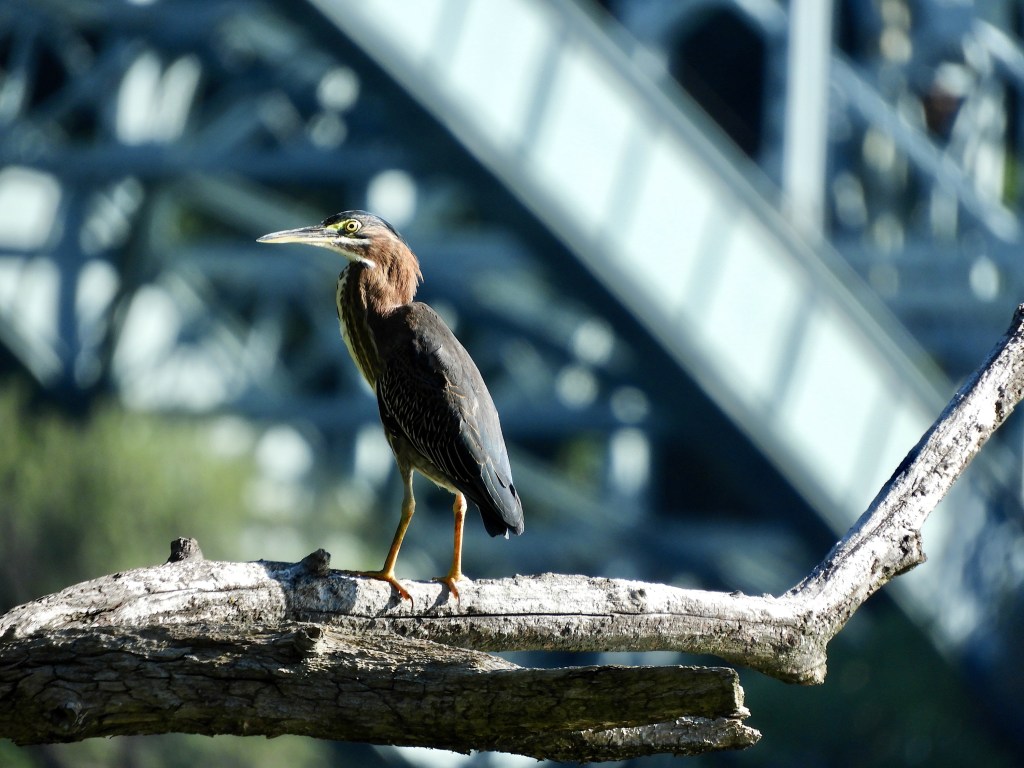
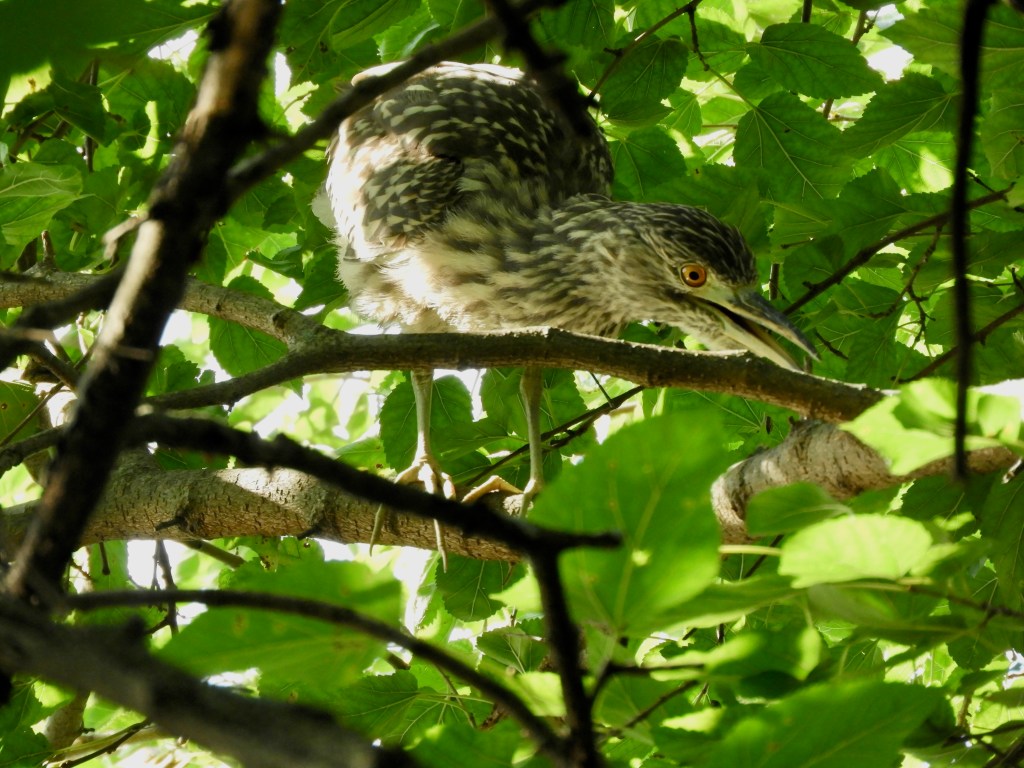
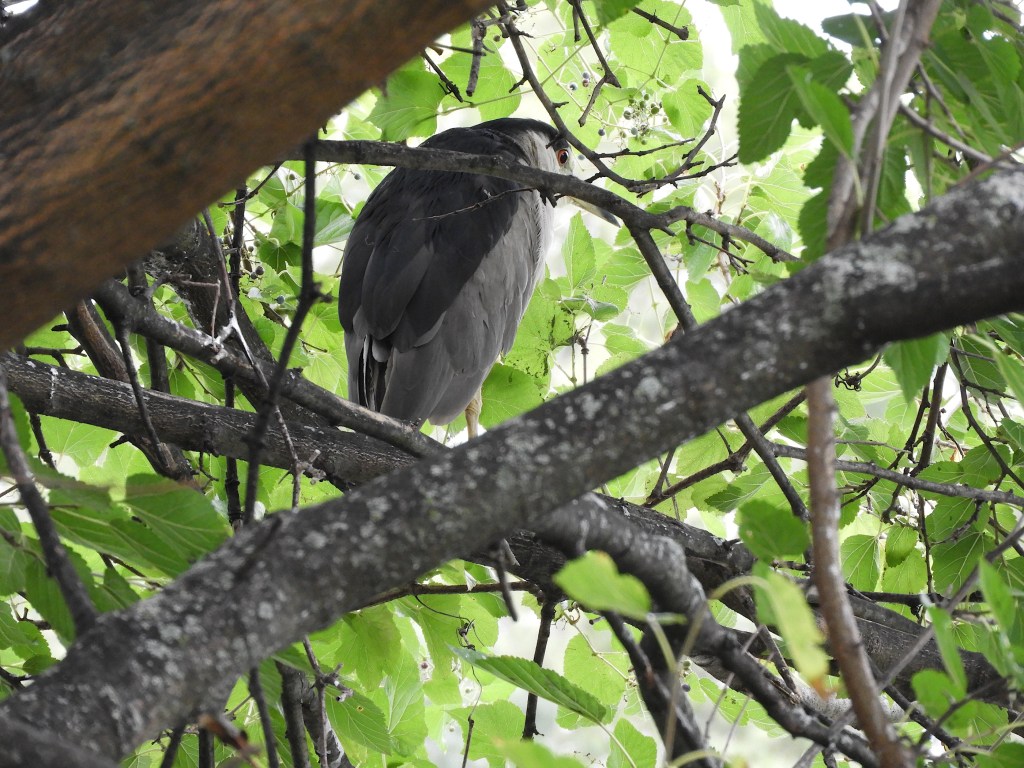
Recently, I watched a Green Heron fly into a tree overlooking the east bank of the marsh’s main inlet. After walking over to find it, I noticed a young Black-crowned Night Heron high in the tree (cover image). The heron had fully taken command of its perch, acting fierce with songbirds but not at all bothered by the Green Heron’s arrival. From now on, I think of this place as “the heron tree.”
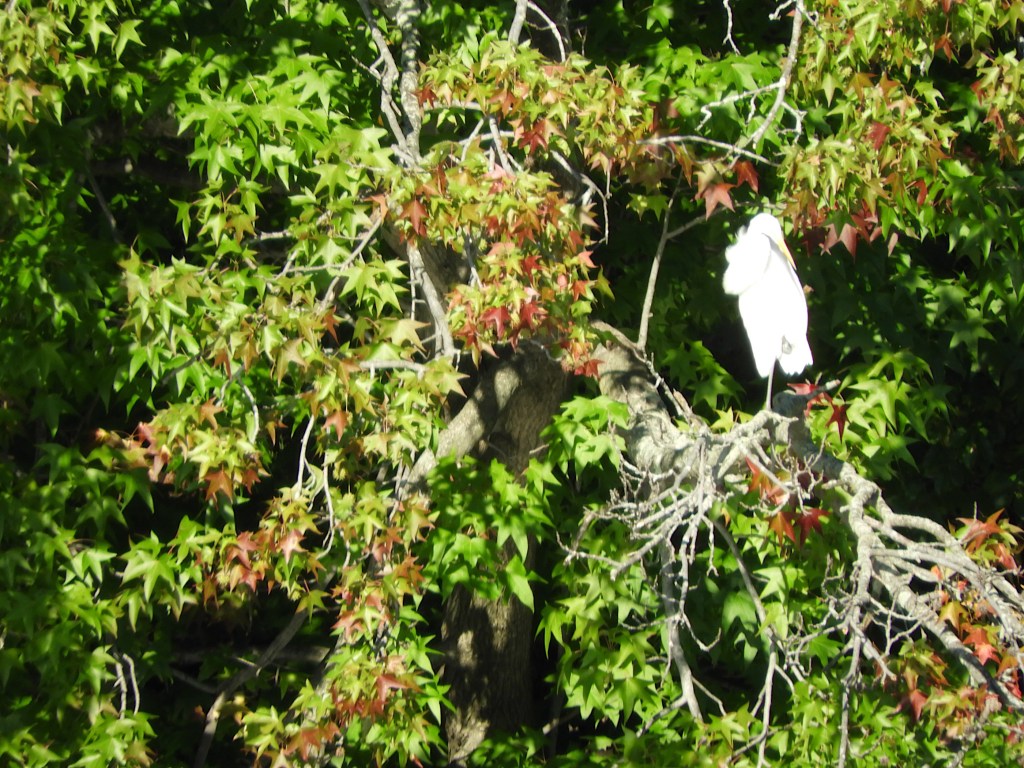
August 24, 2026. 8:24 a.m.
On another day, I was observing an immature Black-crowned Night Heron on the kayak/canoe launch at the peninsula when I noticed a fully adult Black-crowned Night Heron in a nearby tree. It was quite shy and quickly moved when it noticed my presence.
Bird Observation
I was already about to declare the Green Heron my “bird of the summer,” when I started seeing double. Yes, I have often seen two of them together foraging in tandem.
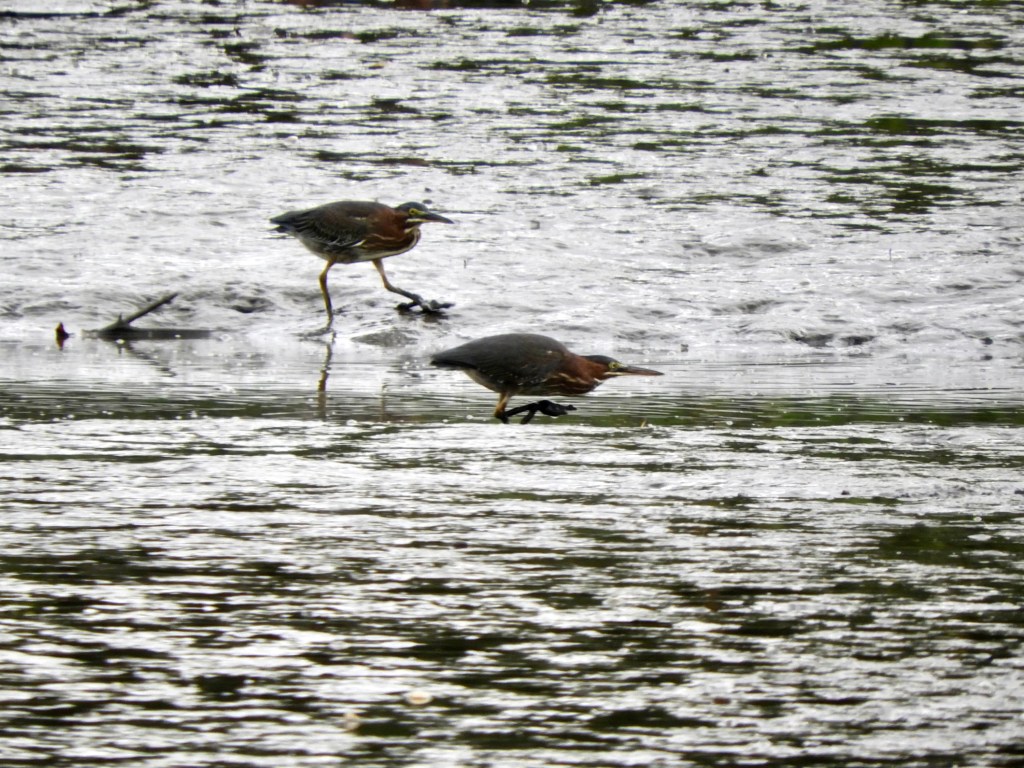
When I am out birdwatching in the park, I tend to think of the herons in singularity. For example, there’s usually one Great Egret or one Great Blue Heron. When I start seeing more than one, I am taken by surprise. I like to remind myself that birdwatching is always about attention and focus. I regrettably overlook many birds, even if they are heron-size.
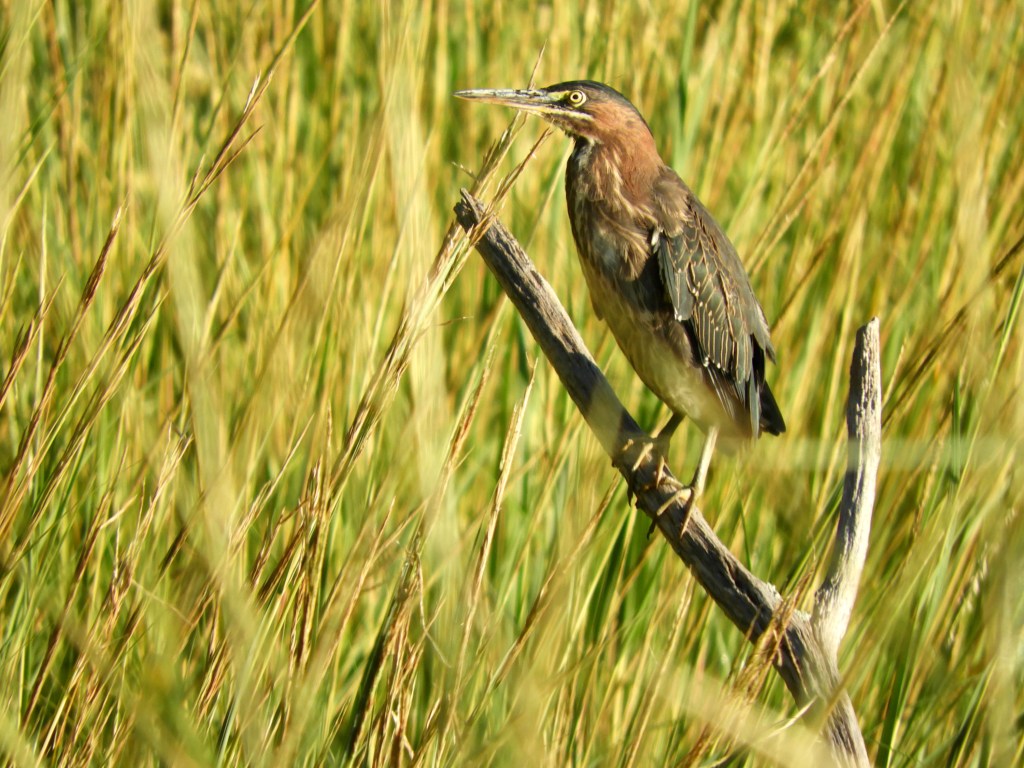
Another phenomenon of birdwatching practice I have noticed with myself is that it often takes at least an hour to acclimate to the avian environment. I may start a walk and grow disappointed with bird sightings, but later, after a period of immersion, I start perceiving and observing many more birds. Luck still has a lot to do with it, not to mention the time of day and season, but I like to give myself plenty of time to get into a birdwatching zone.
Cover: Juvenile/Immature Black-crowned Night Heron in tree adjacent to the main inlet of the Salt Marsh, Inwood Hill Park. August 22, 2026. 5:02 p.m.
Related post: The Ebb and Flow of Egrets and Herons (2023)
Fall Migration
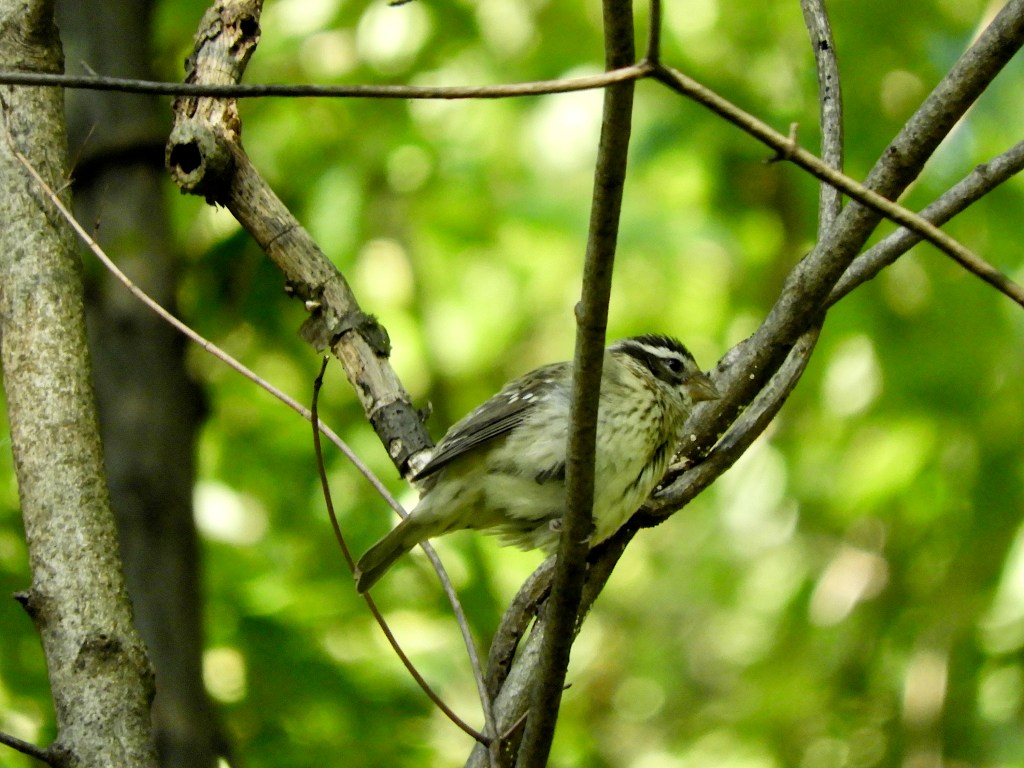
Another migration season is in full swing. It’s delightful to once again observe Red-eyed Vireos, Rose-breasted Grosbeaks, and many warblers making their way through the forest and Salt Marsh. See the September 2026 sightings page for images.
Raptor Season
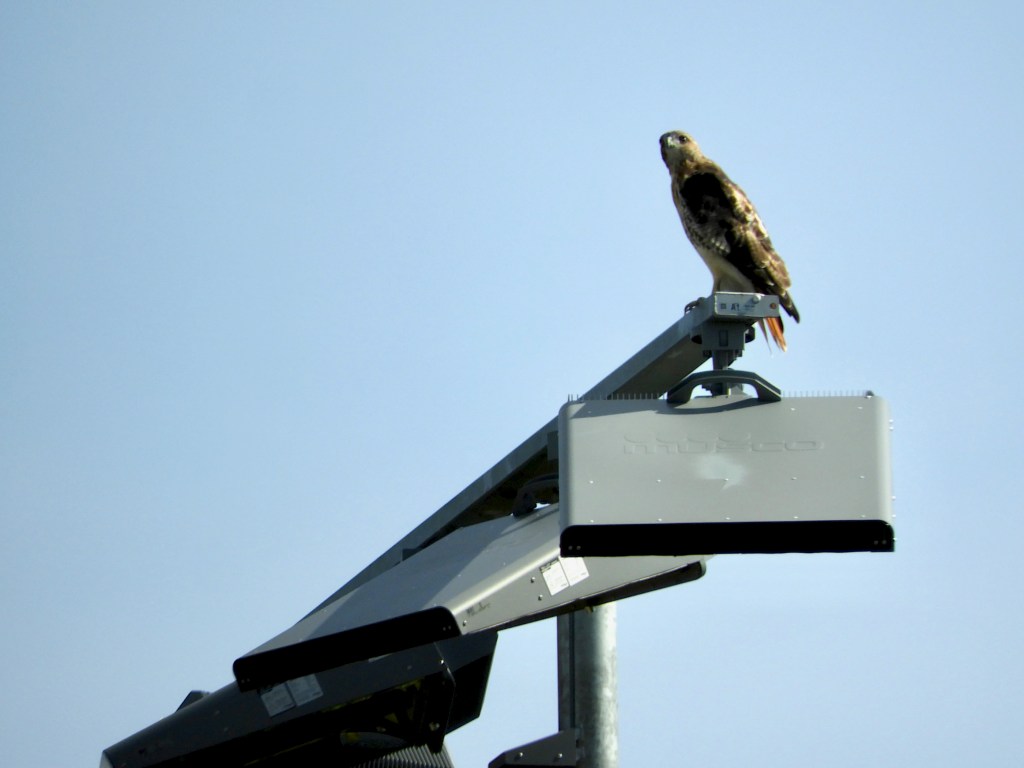
If you’re out looking for Red-tailed Hawks, I suggest looking up at the new light towers on the renovated baseball fields in Inwood Hill Park. When the parks department erected these tall towers, I immediately thought that the hawks would find them useful.
 Birds of Inwood
Comments welcome!