Over the course of this October, which is turning out to be a very good month for fall migration here, I’ve enjoyed seeing scores of beautiful birds as they make their way south.
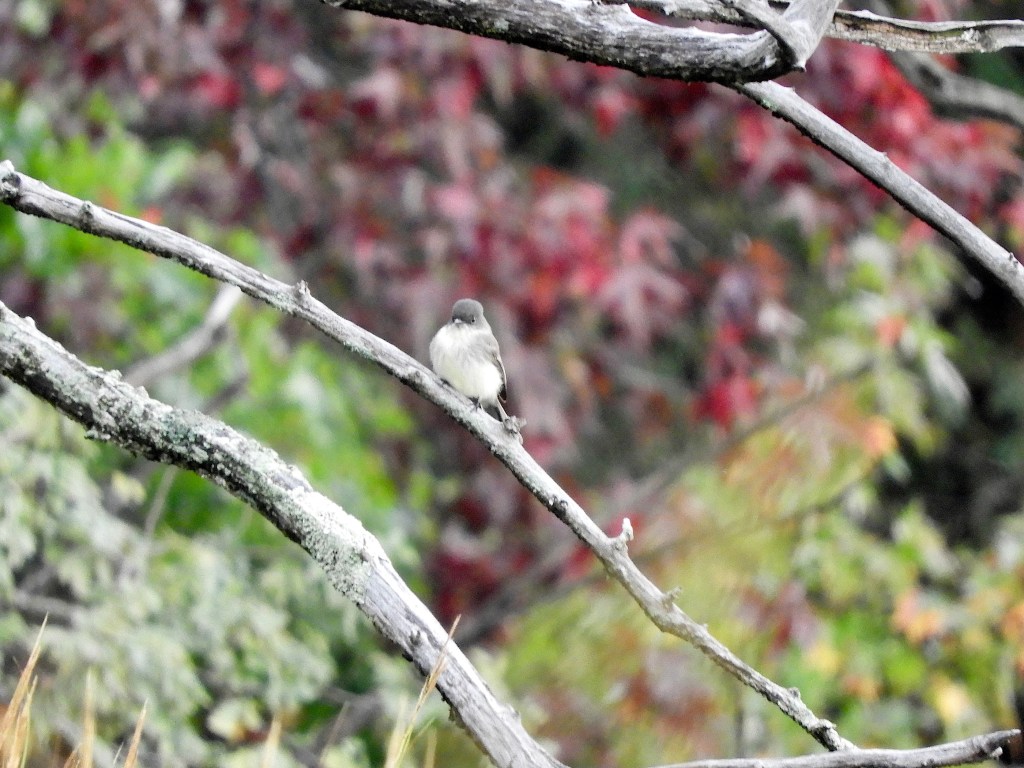
During the first couple of weeks, Common Yellowthroats in autumn colors were plentiful in the berry trees adjacent to the Salt Marsh. I saw a Tennessee Warbler there, too, and many Eastern Phoebes perched out on a limb above the water.
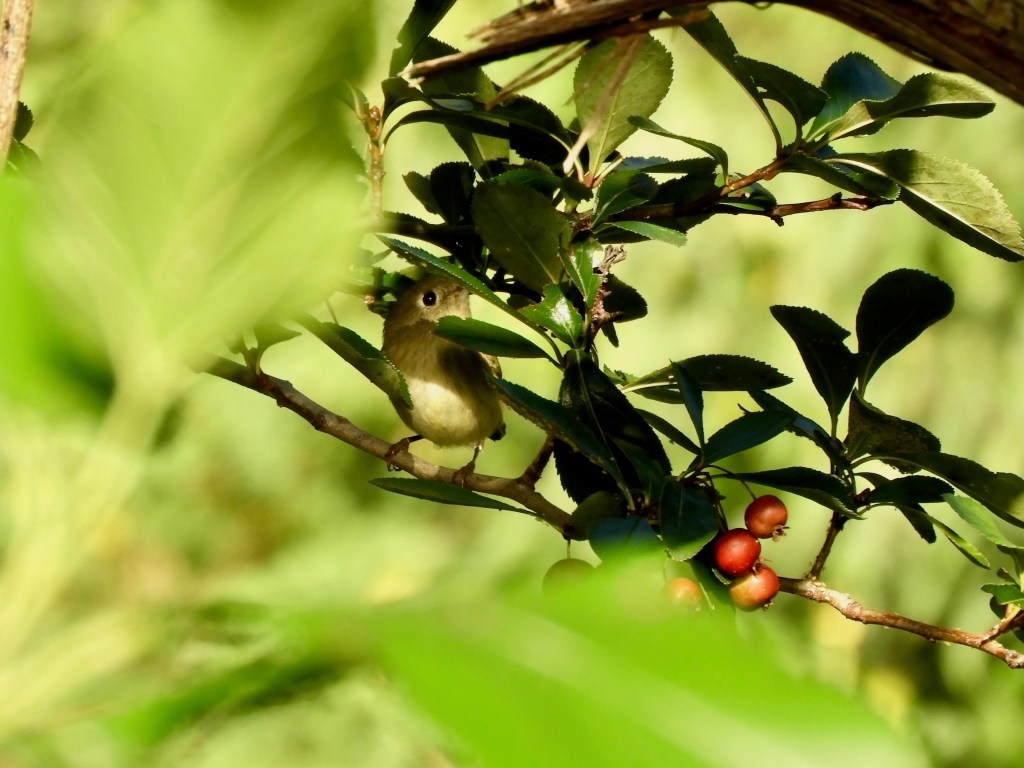
In this spot that local birdwatchers call the Sunken Willow, I’ve spotted an Immature Magnolia Warbler, a female Rose-breasted Grosbeak, and many tiny Ruby-crowned Kinglets with big eyes. Our regular Mourning Doves are nearby, as always, holding the fort on the strong bare crags. A Downy Woodpecker is most always there.
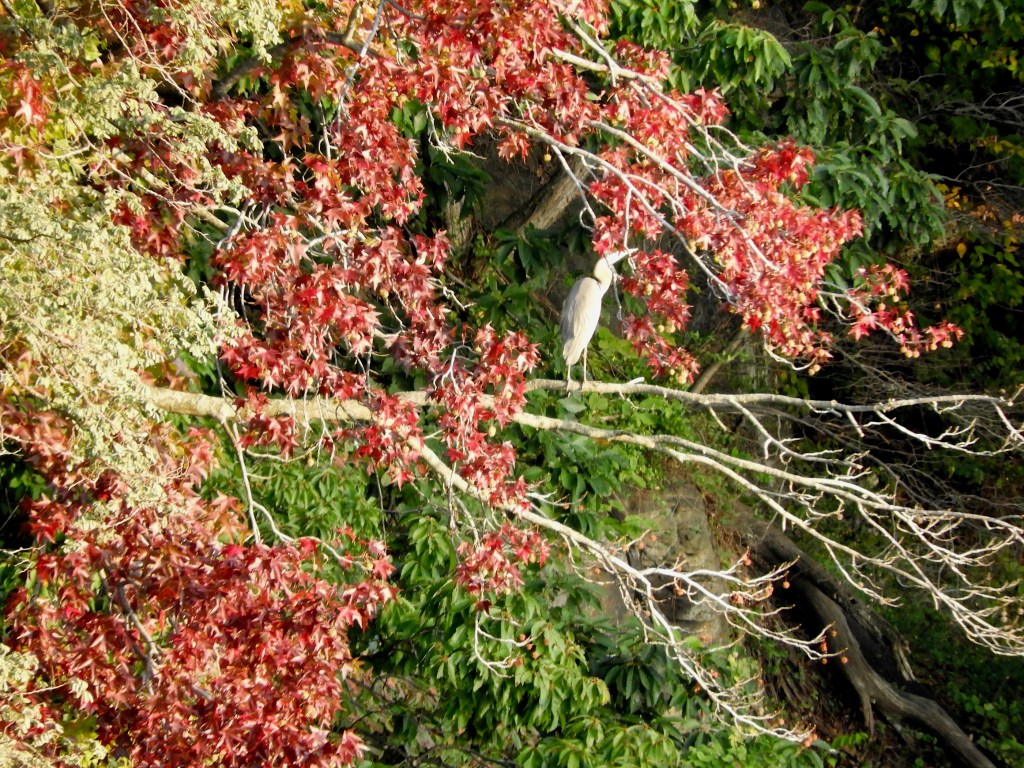
Meanwhile, the Great Blue Heron has been sliding through the autumn-hued waters and catching fish or standing tall on the Osprey tree. Red-tailed Hawks are about, and the herons and the hawks are always keenly aware of one another’s whereabouts.
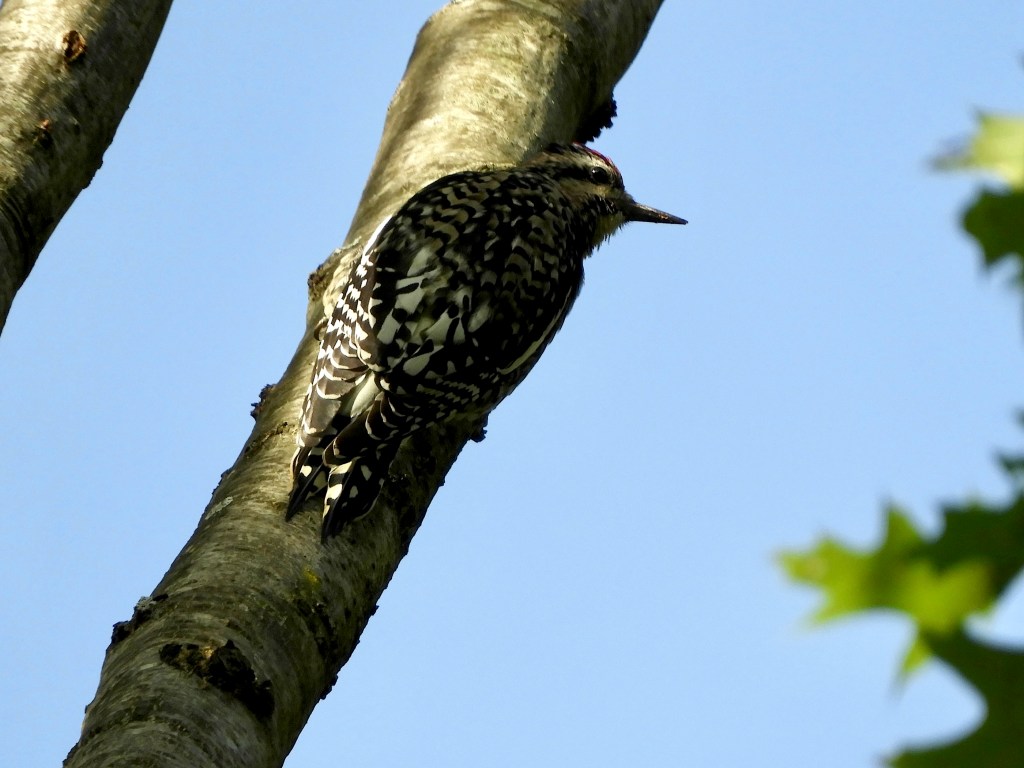
I’ve caught glimpses of Blue-headed Vireos along the branches of Inwood Hill Park’s highest trails. Up there, too, a Yellow-bellied Sapsucker, a migratory woodpecker, has been making its way south. At the parapet, the fragment of a stone foundation that once housed human occupants, I spotted a Scarlet Tanager, House Finches, a Blue-throated Warbler, and Chestnut-sided Warblers.
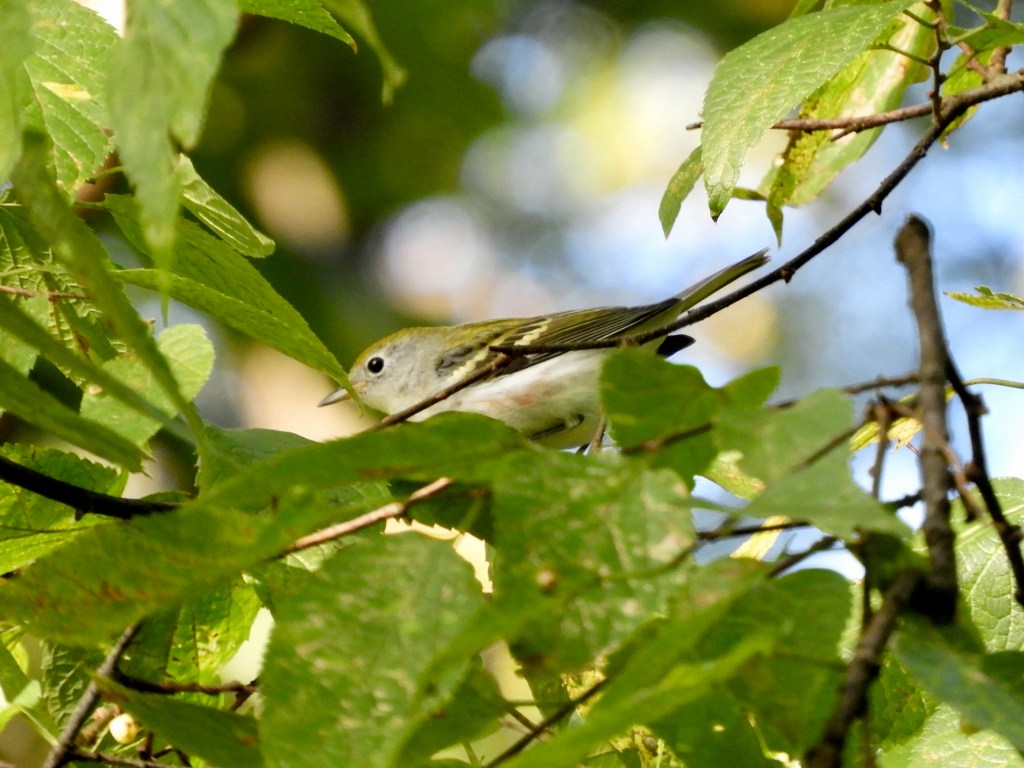
Alternating between the Sunken Willow down by the marsh and the high parapet favored by House Finches and the highest-flying warblers proved to be a useful strategic move for birdwatching in the park this season. You can catch a few other birds along the way.
This week, I finished reading Daniel Mason’s splendid novel, North Woods (Penguin Random House 2023). The multi-generational tale is set among the changing forest environments of Western Massachusetts, with deep descriptions of the inhabitants and the wildlife, including birds. The story echoed similar musings of mine about the waves of early settlers and birds that have found their way through this idyllic part of Manhattan.
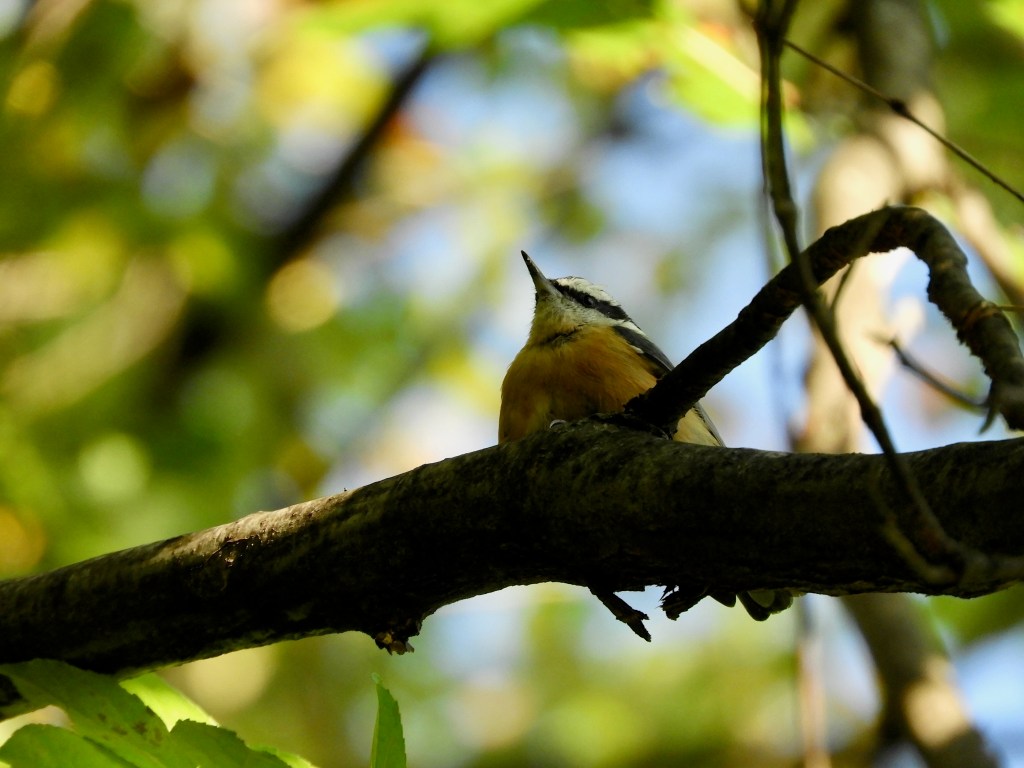
On the morning of October 13, while gazing out from the parapet, I spotted a Red-breasted Nuthatch perched on a limb directly overhead. I have seen dozens of White-throated Nuthatches scrambling around tree trunks, but the Red-breasted Nuthatch is much more elusive. Not this October.
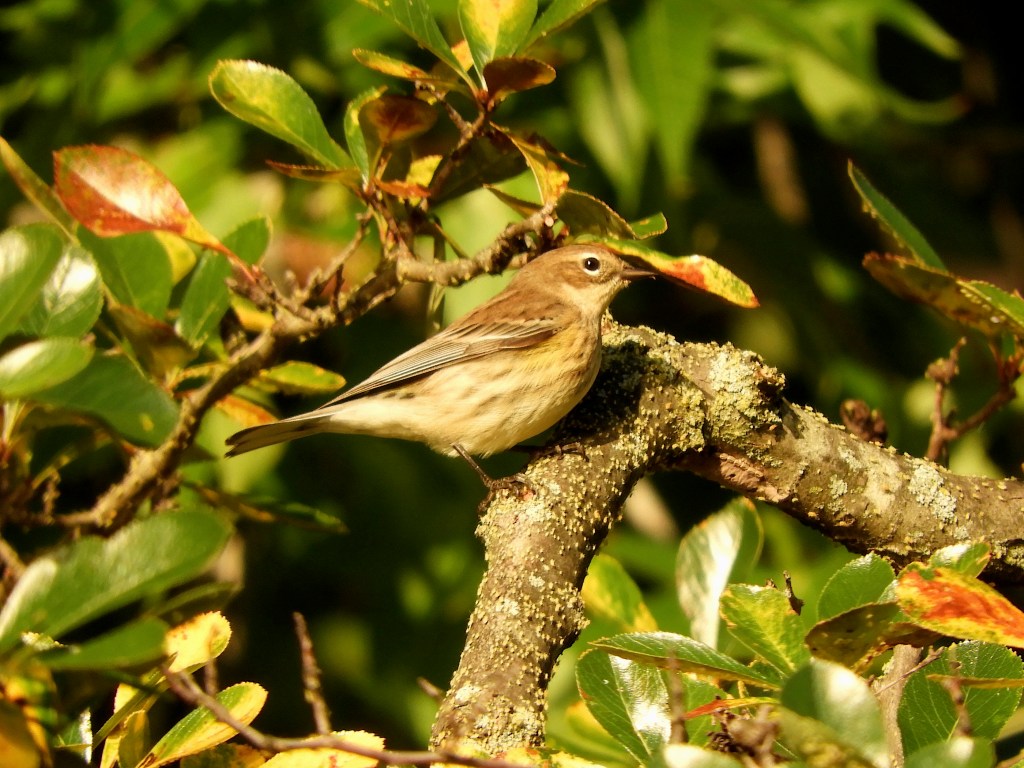
The Yellow-rumped Warblers have been making their way south in numbers matching their usual spring appearance. Tawnier in autumn, they still impress with their vigorous flights.
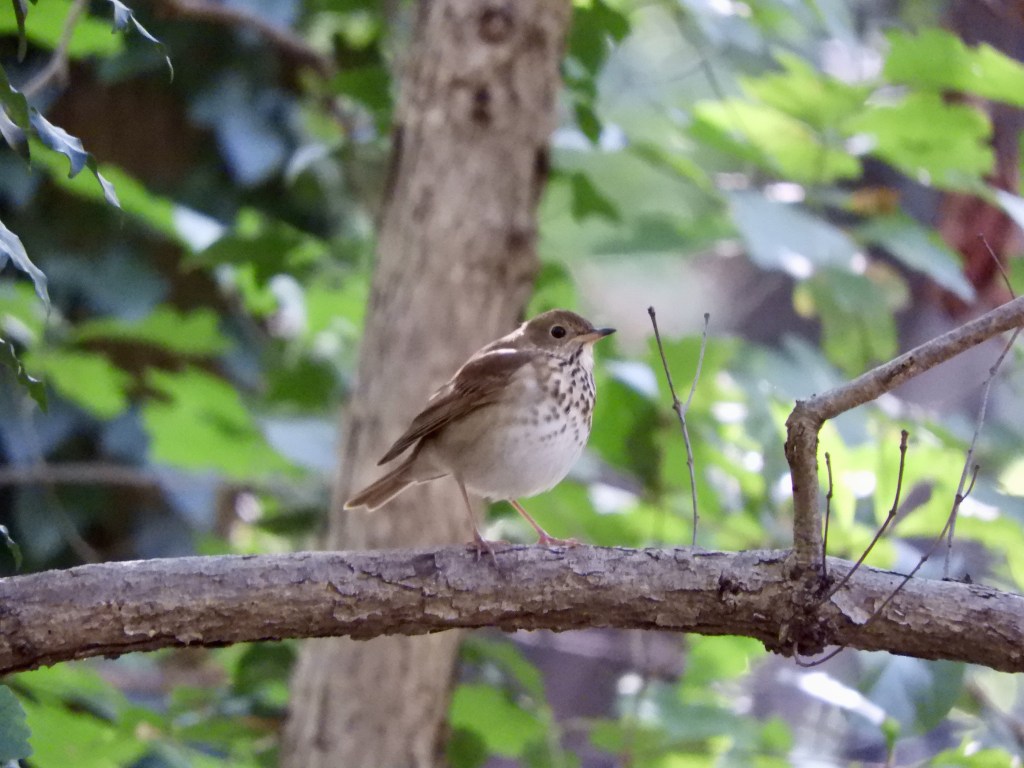
On Sunday, as I was walking through a quiet southern part of the park, I came across a solitary bird flitting from one low branch to another. Which bird would enjoy such solitary company? It was a Hermit Thrush, as it turned out. Of course, a hermit. Perfect. It was my first-of-season sighting.
The remaining days of October 2026 should provide additional opportunities for fall migration sightings. The fall foliage colors will deepen rapidly between now and the first week of November, a spectacular backdrop for one of nature’s great miracles – the seasonal migration of birds. Then the leaves will fall, and we can see more clearly which birds have left and which ones will remain.
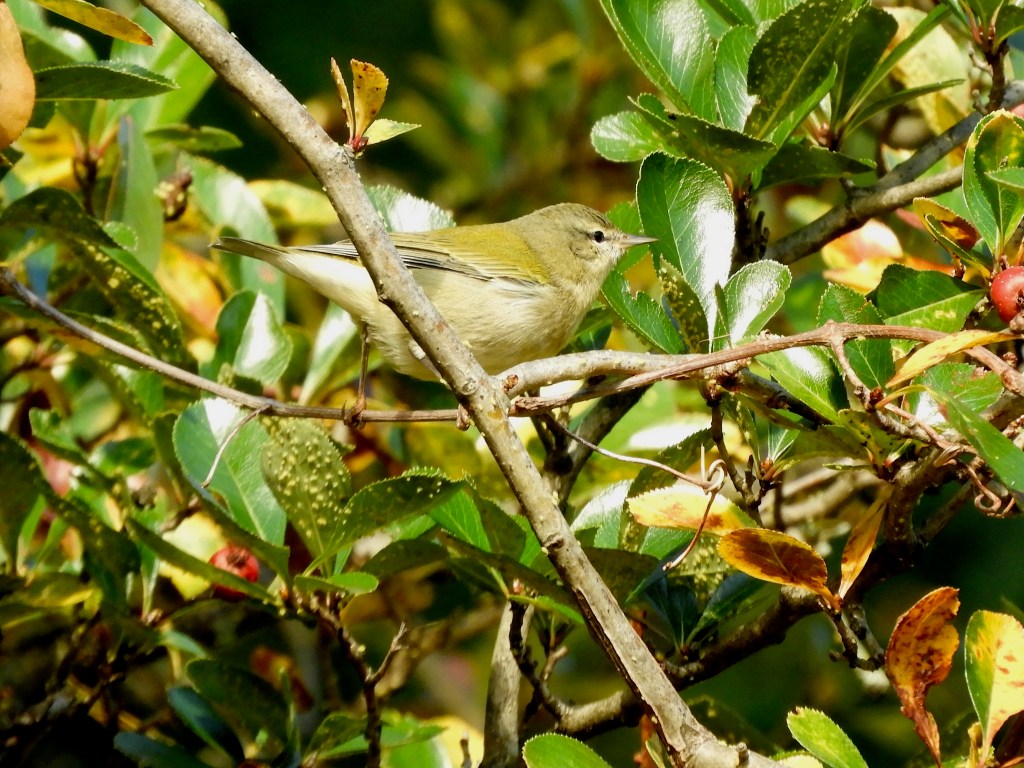
Cover: Tennessee Warbler. Inwood Hill Park, in the berry trees near the Salt Marsh. October 14, 2026. 8:31 a.m.
Subscribe to Birds of Inwood
The Bird of Inwood Shop is open with new items!
To celebrate fall migration, please visit the Birds of Inwood shop on Redbubble. I’ve added several new items here, including a few photographs as well as illustrations. Please bookmark the shop for your holiday shopping. Buying greeting cards, T-shirts, or home design items is a fun way to show your support for this website and for bird life everywhere.
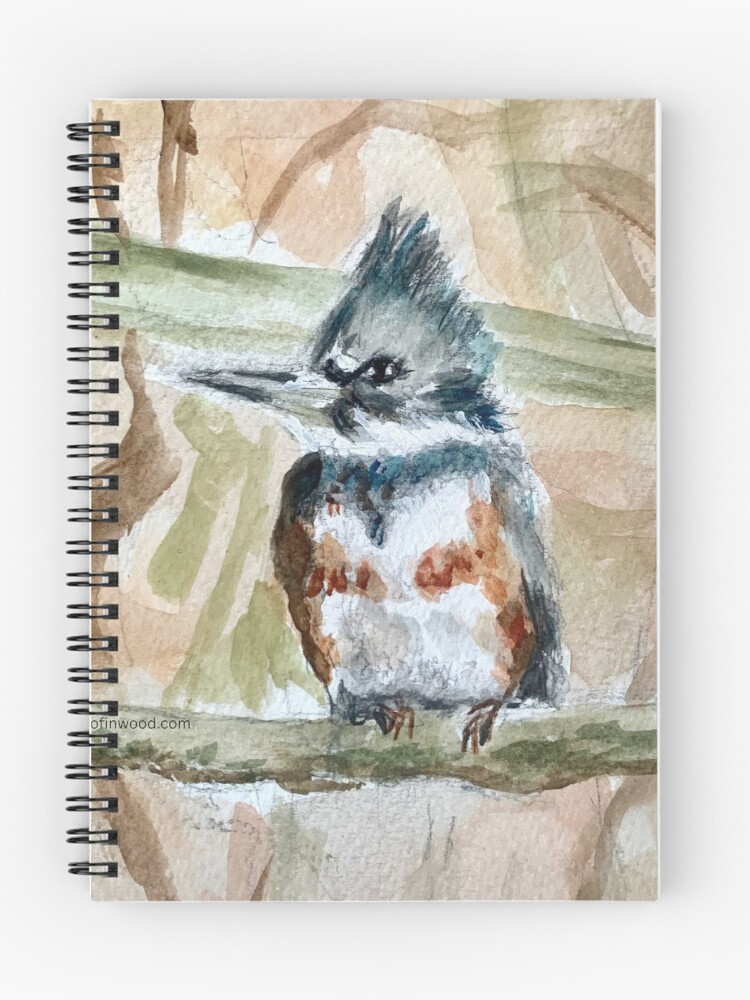
Visit the Birds of Inwood shop on Redbubble.


Comments welcome!