
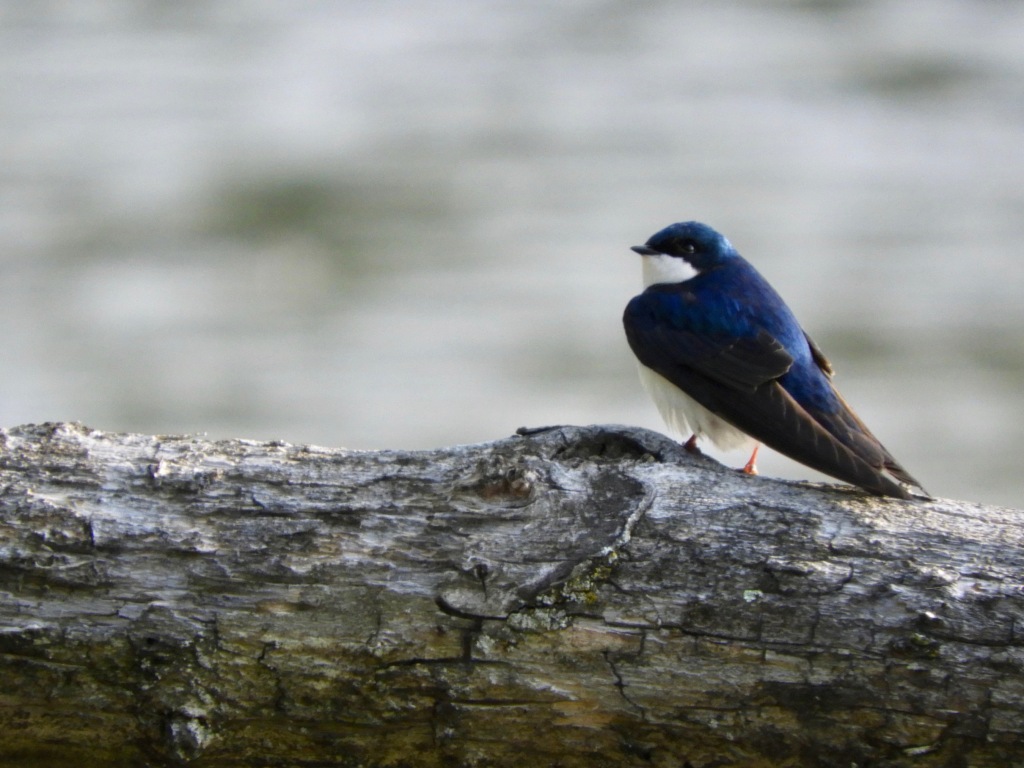
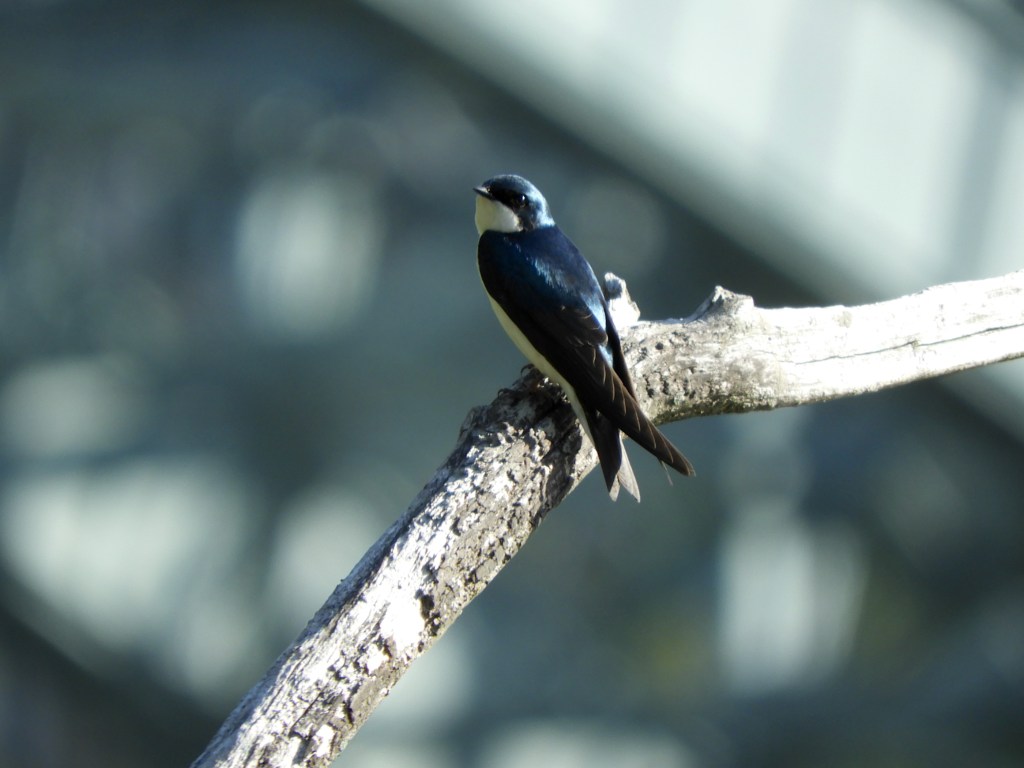
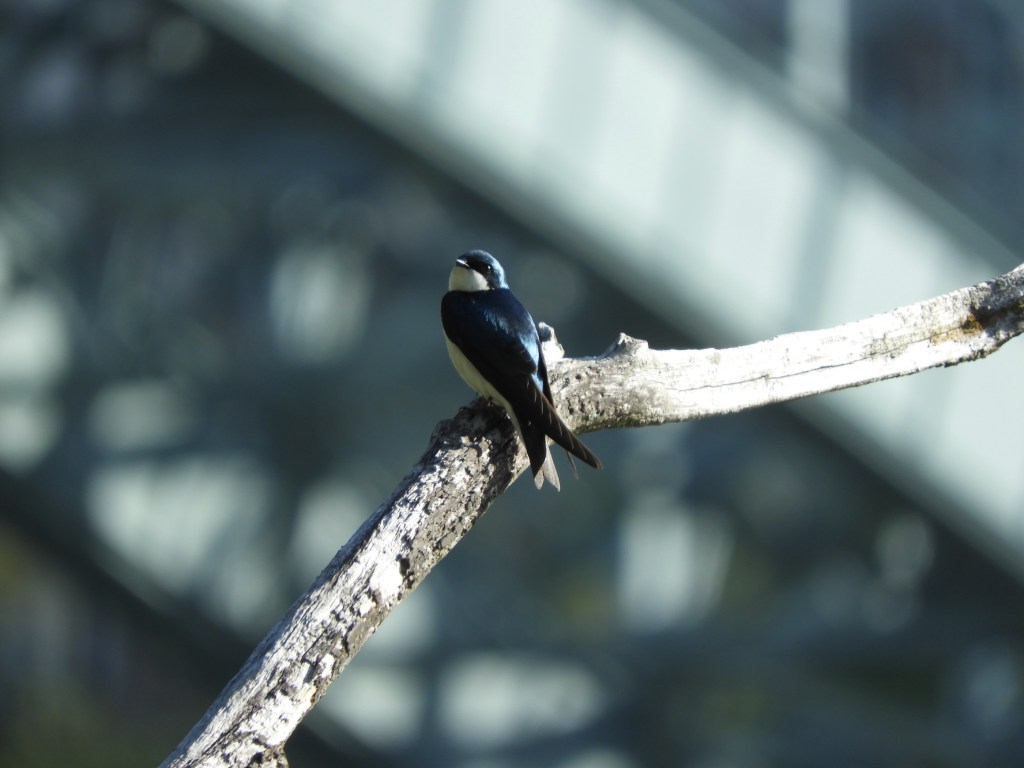
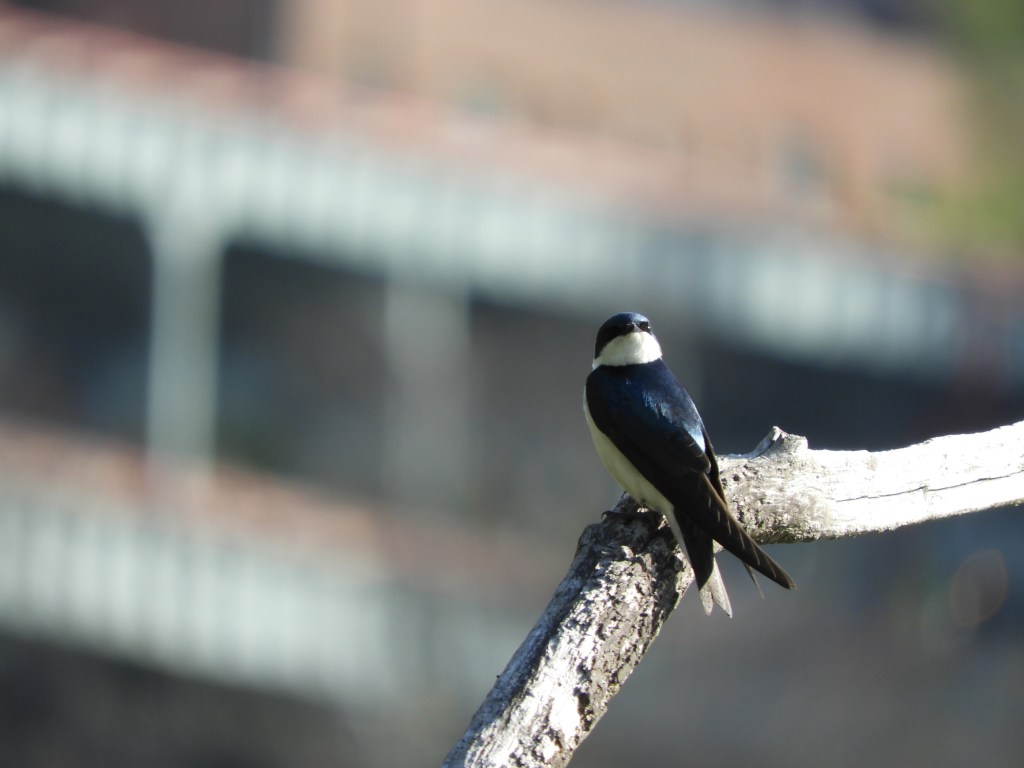
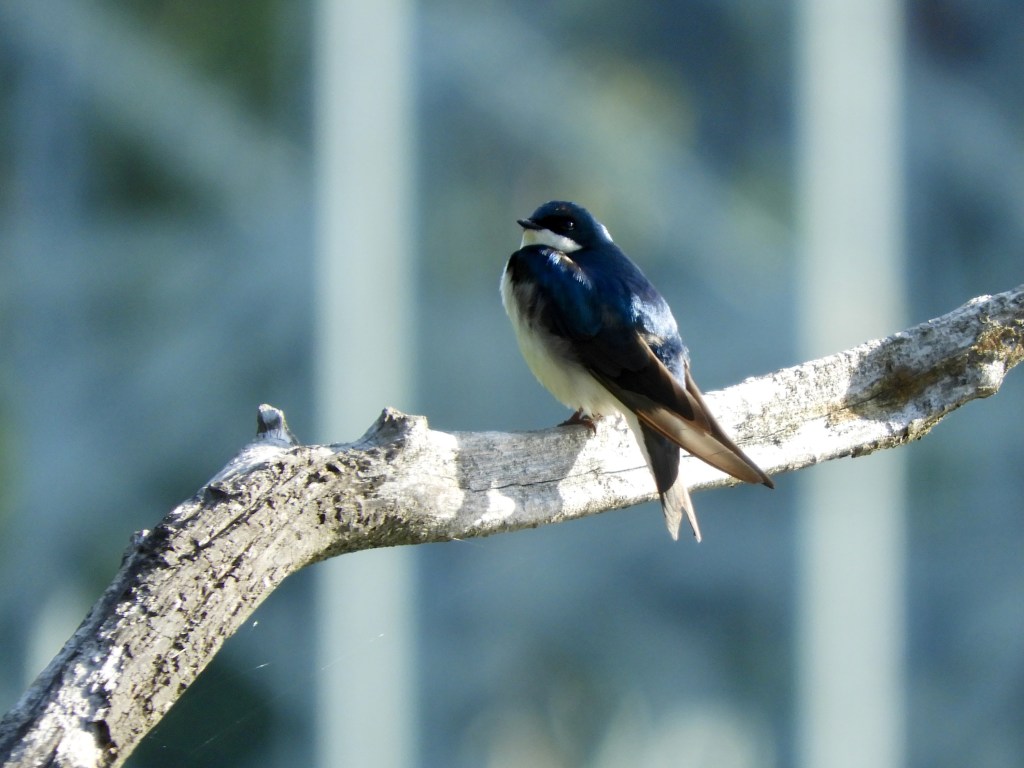
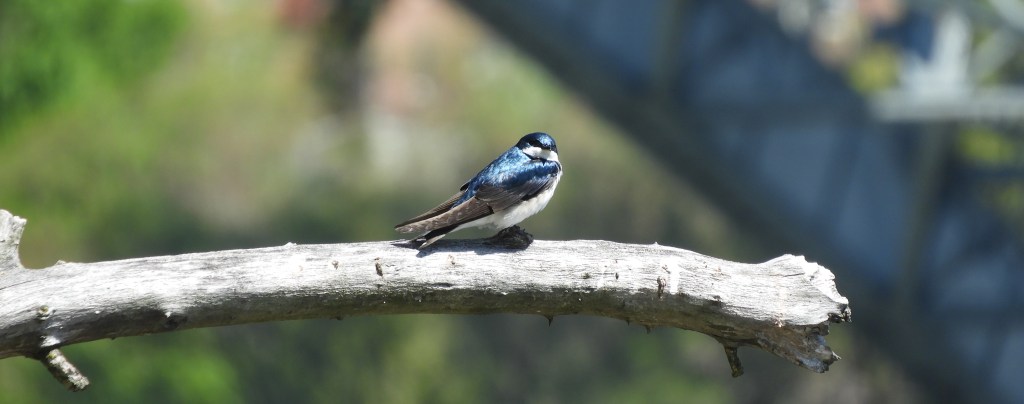
In the recent springs I have observed them, Tree Swallows have returned to the same place at the corner of the Salt Marsh path in Inwood Hill Park. They perch on an old tree branch that has fallen over into the water. In the background you’ll see the Henry Hudson Bridge. The spot is almost always a good place to watch marsh birds, including the Great Egret and Great Blue Herons.

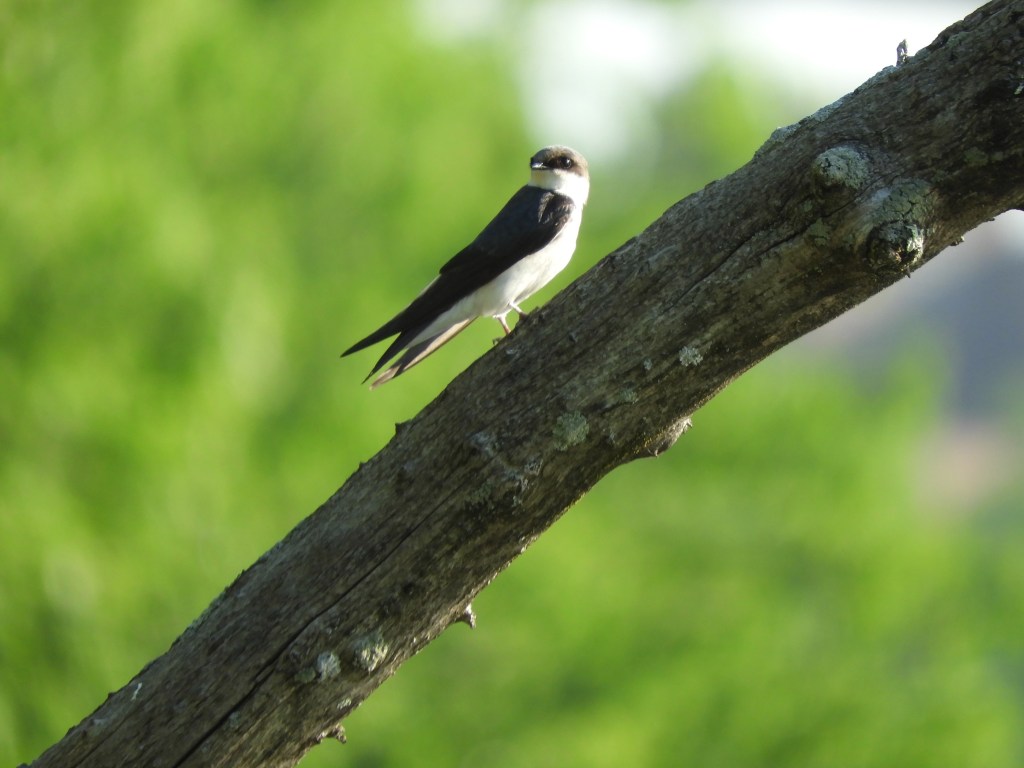
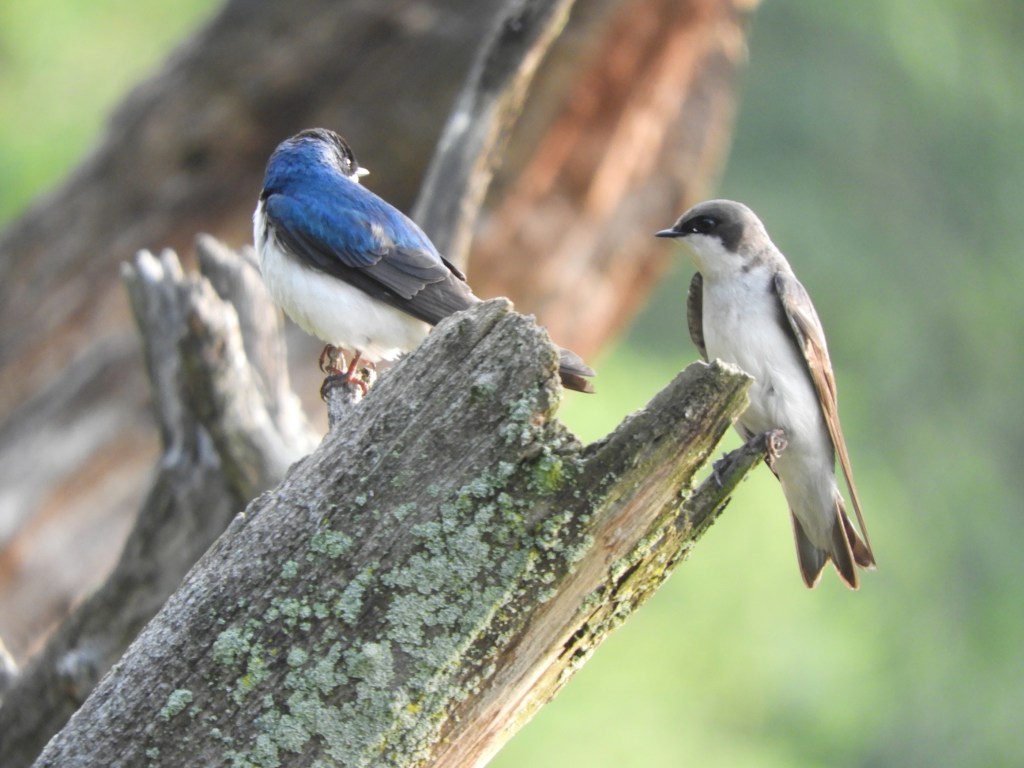
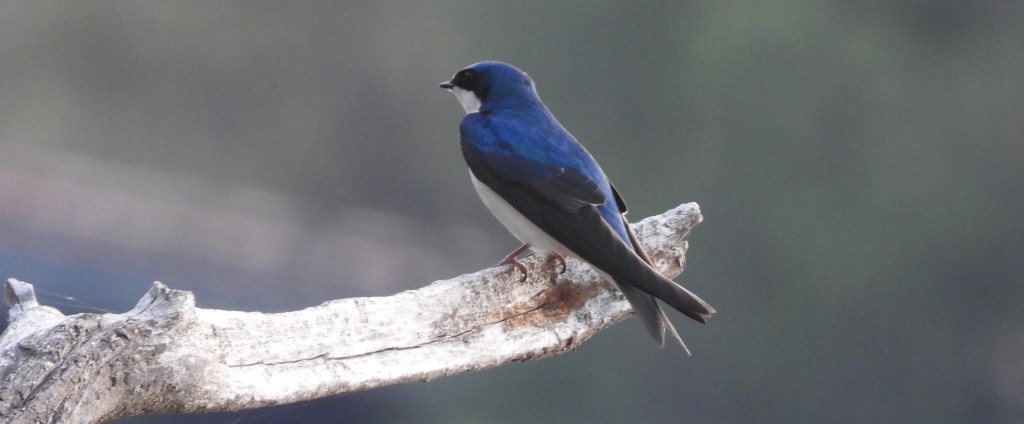
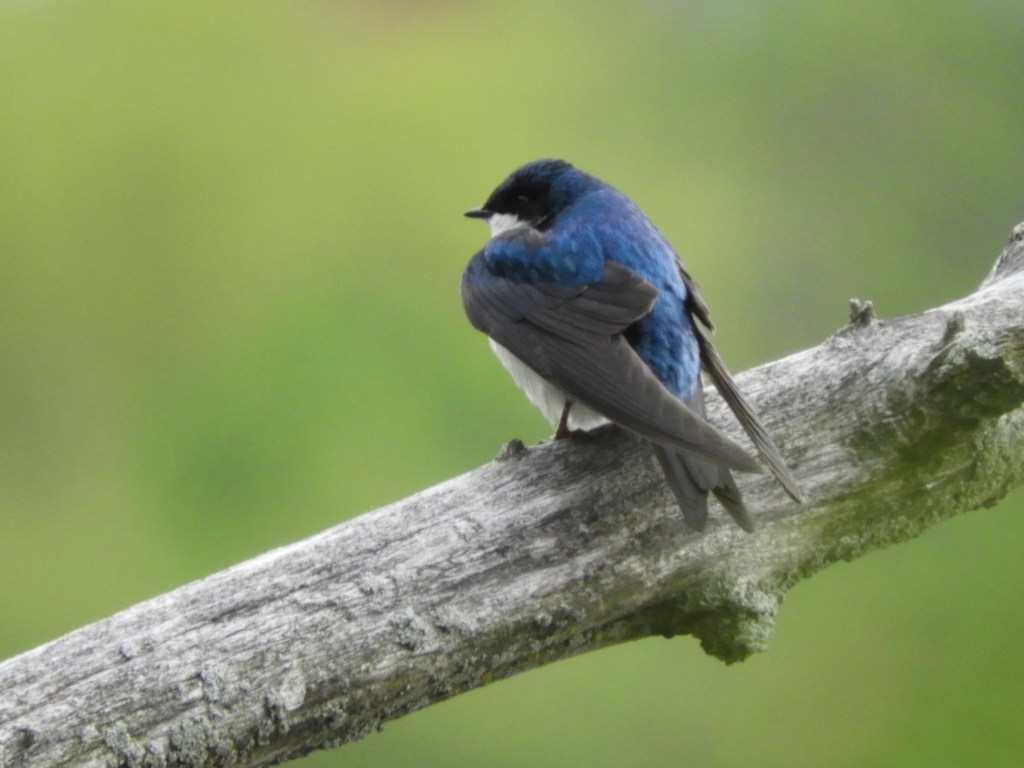
In early May, the iridescent Tree Swallows bring their elegant beauty to the scenic landscape. I’ve often seen a pair of them. The male is blue above with white below and with dark-colored wings. The female is browner, with a splash of blue-green.

The swallows also provide aerial entertainment with their swift flying over the waters and the nearby meadow. They depend on all matter of flying insects for food. They will rest or preen on the limb over the water and then take off for their frequent flights.

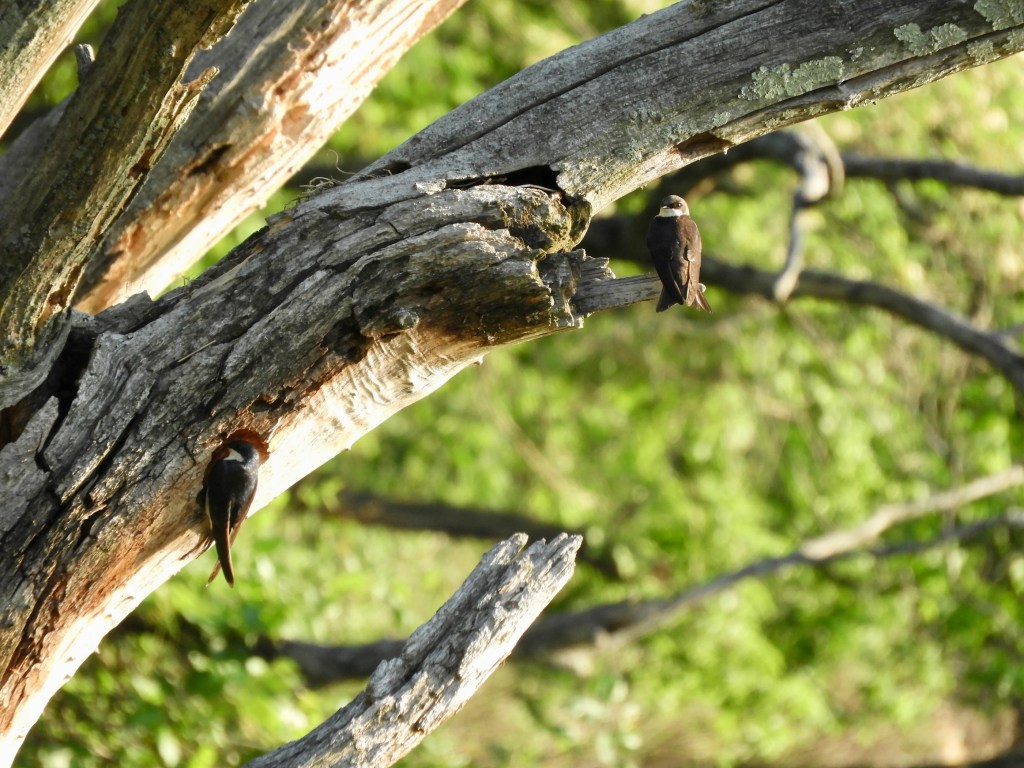
The habitat at the Salt Marsh is to their liking. During breeding season, Tree Swallows look for excavated tree holes to make their nests. With nearby woodpeckers in abundance, they have plenty to choose from. Tree Swallows, a well-studied bird with a long Wikipedia entry, are attracted to wooded areas near water. Again, the landscape in Inwood Hill Park provides an excellent choice.

These small beautiful swallows are considered long-distance migrants. The ones in Inwood are likely part of the flocks of Tree Swallows in the Eastern range, flying up from Florida or Central America. This place may be just a favorite stopping place along their journey. They will begin returning south later in the summer. If you want to see them while they are still in Northern Manhattan, look for the fallen tree that sticks out over the water.

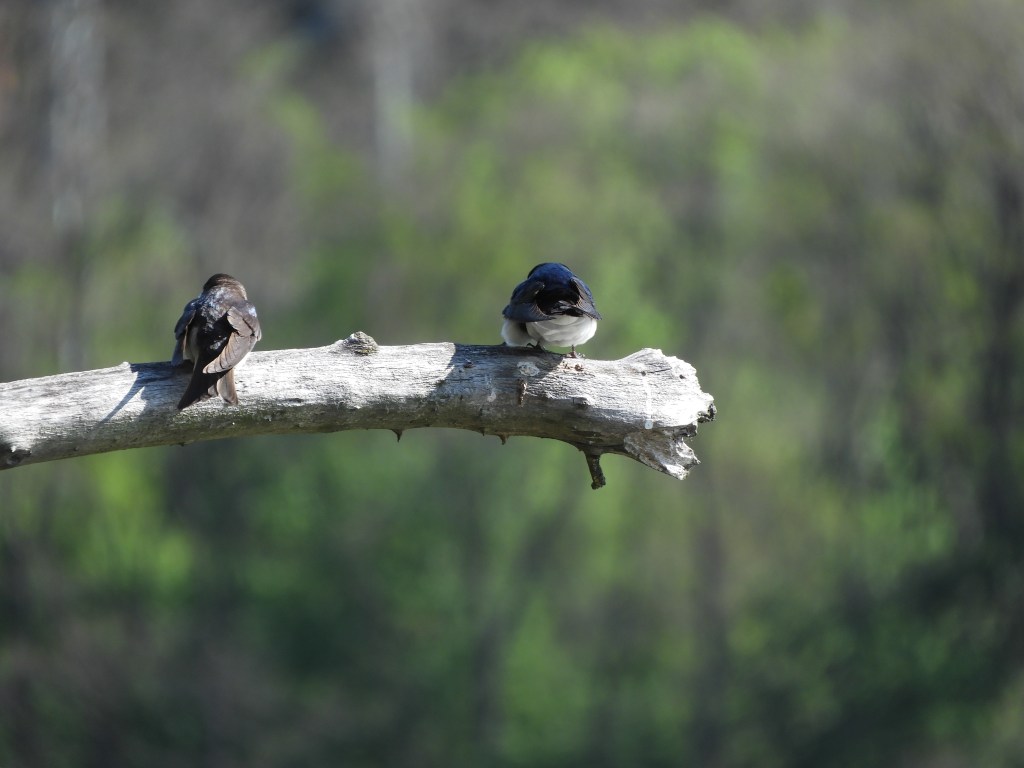
Cover photo of Tree Swallow from May 10, 2023.
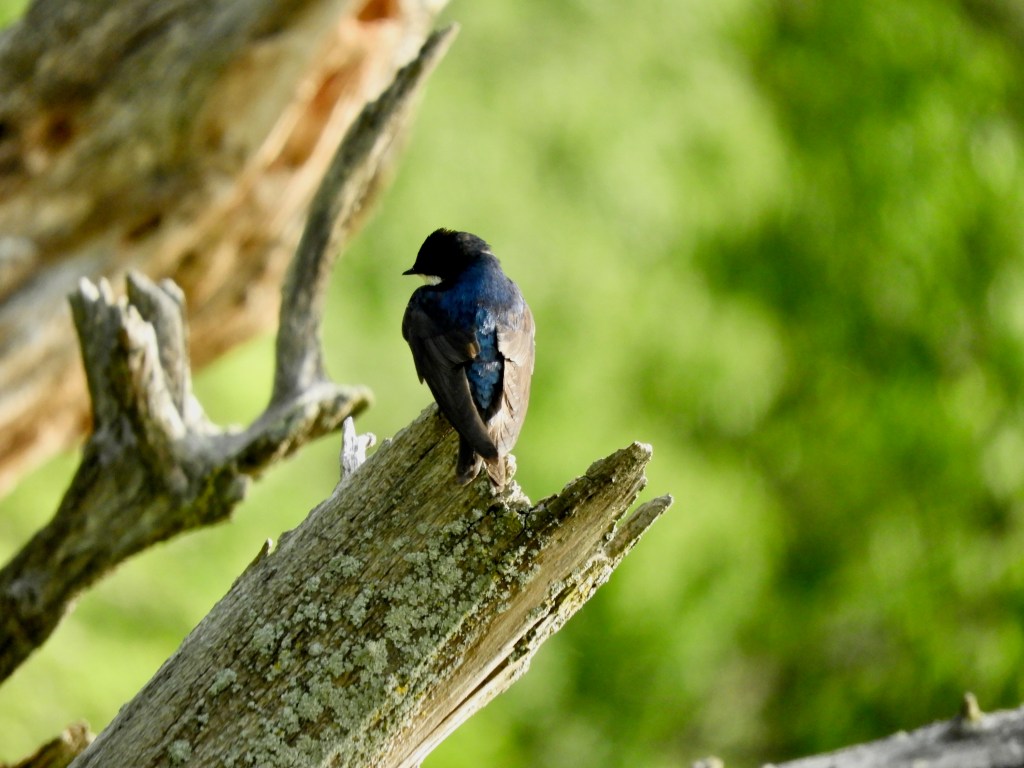
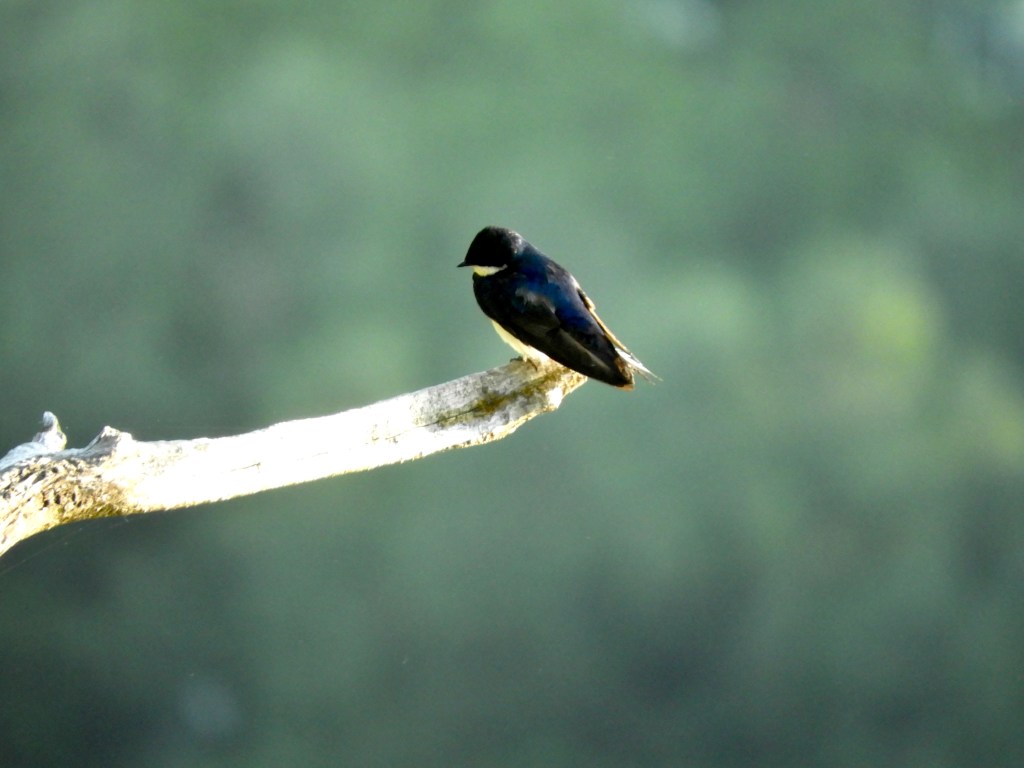
A Tree Swallow Gallery

Recent posts
- Herons in Trees: Watching and Waiting at High Tide
 Many of my favorite heron sightings these past few weeks have occurred at high tide. While it’s more common to spot herons wading through the waters during times of low tide, abundant fish during the late summer keep the herons nearby. They watch and wait, frequently grooming their feathers. Look for them in trees or… Read more: Herons in Trees: Watching and Waiting at High Tide
 - A Green Heron Joins the Other Dinosaurs, and the Pursuit of the Big Picture
 A lively Green Heron has been drawing attention this summer at the Salt Marsh in Inwood Hill Park. While not uncommon for late summer, this member of the heron family stands out among the Great Egrets, Great Blue Herons, and Black-crowned Night Herons. For one, the Green Heron is of slighter skeletal build compared to… Read more: A Green Heron Joins the Other Dinosaurs, and the Pursuit of the Big Picture
 - Sporting Colors: The 2026 Baltimore Orioles Season in Inwood Hill Park
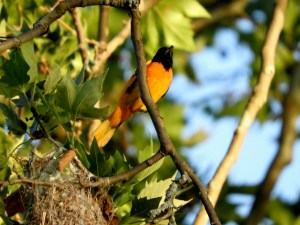 Several Baltimore Orioles made their way back to the high trees of Inwood Hill Park this year. They’ve been building and attending nests at the edges of the park. The female builds the nest over the course of the week, while the male goes out on foraging errands. The orioles usually stake out the same… Read more: Sporting Colors: The 2026 Baltimore Orioles Season in Inwood Hill Park
 - Field Notes from the 2026 Cedar Waxwing Gathering in Isham Park
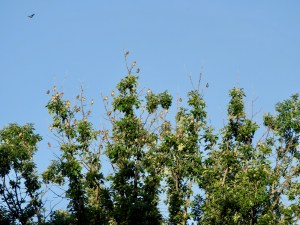 Dozens of flocks of colorful Cedar Waxwings have arrived in Isham Park in Northern Manhattan for their annual feasting of the Juneberry trees (Amelanchier is the scientific name, or serviceberry). The festive occasion takes place during late May and early June and lasts as long as the bright red berries are consumed. While Cedar Waxwings… Read more: Field Notes from the 2026 Cedar Waxwing Gathering in Isham Park
 - Birds in the Garden of Eden: A Field Trip to Untermyer Park and Gardens in Yonkers, New York
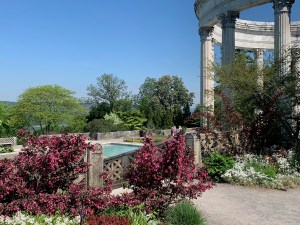 At Untermyer Park and Gardens in Yonkers, NY, on May 18, I didn’t see many birds out of the ordinary. I was so taken in by the dramatic vistas of the park and garden that I may have overlooked them. Tens of thousands of birds migrate north of New York City each spring and… Read more: Birds in the Garden of Eden: A Field Trip to Untermyer Park and Gardens in Yonkers, New York


Comments welcome!