Today, April 22, 2026, is Earth Day, a time to learn more about and advocate for the health of our home planet. The birds depend on us.
A great thing about being out in nature in the morning is that a memorable morning with birds can last all day. Whatever I’m doing, whatever happens during a hectic workday in the city, I’ll remember the birds.
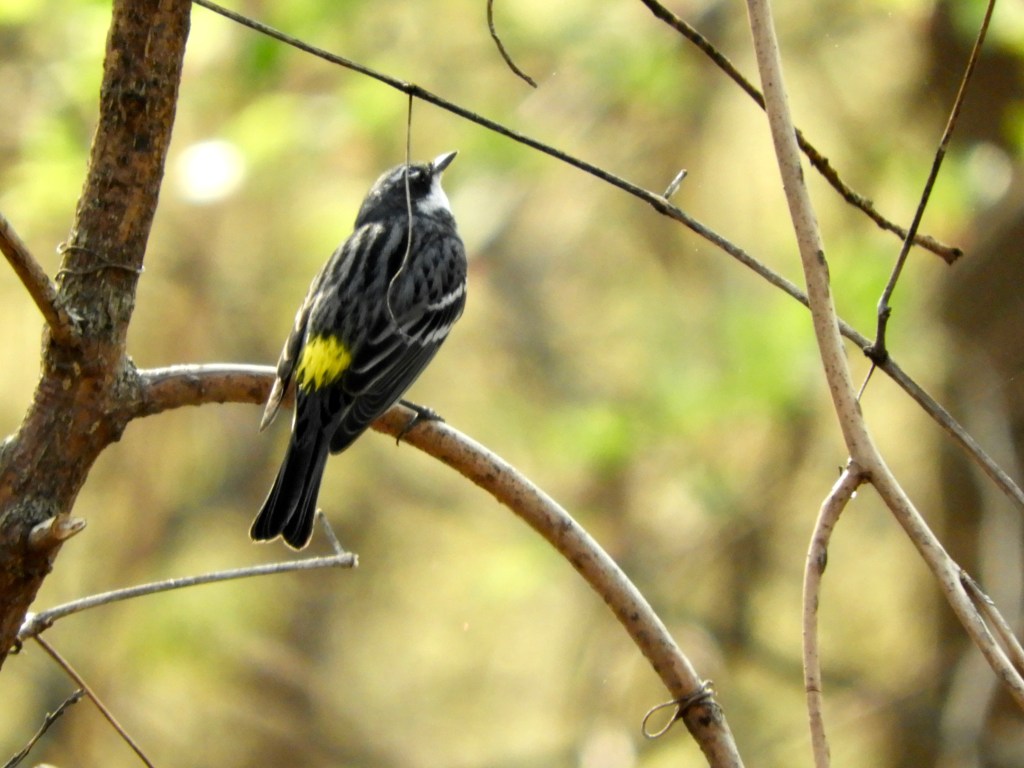
I still easily recall the migrating warblers, especially the dozens of Yellow-rumped Warblers that I encountered near the top of Inwood Hill Park on April 16. Last week, we experienced a week of summertime temperatures in the midst of spring. The leaf-out in the forest hastened at a time-lapse rate, and the migrating birds raced up the Atlantic Flyway toward their summer breeding grounds.
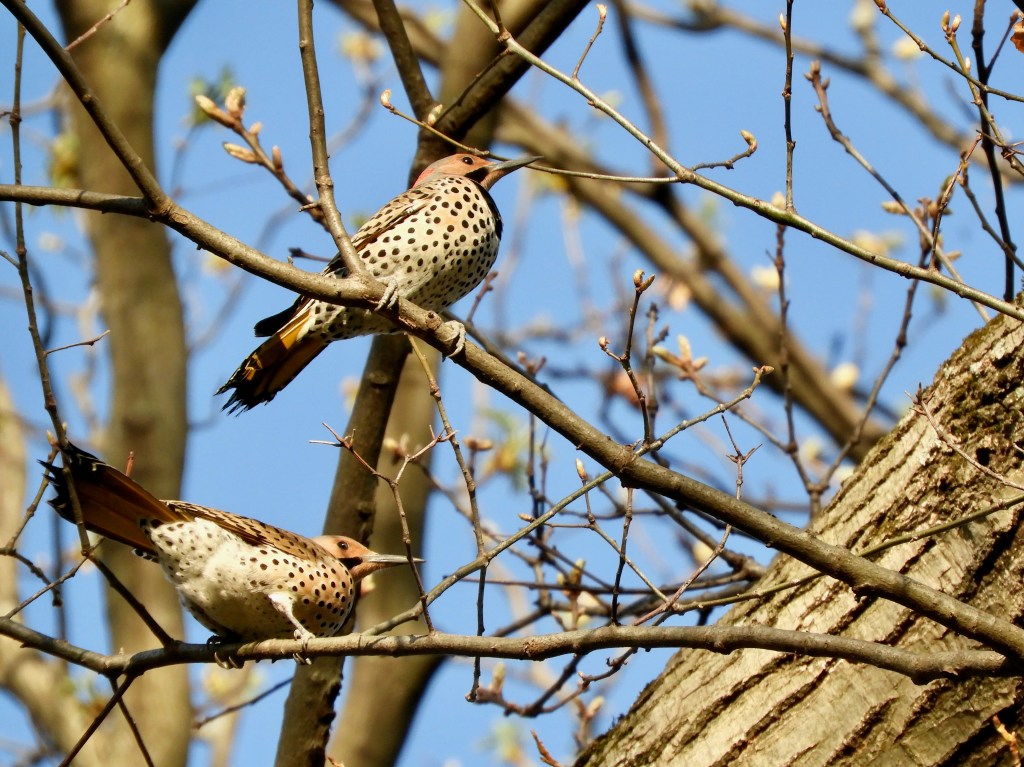
The park regulars, the ones that will remain here through the seasons, have been actively flirting or busy with their nests. I’ve seen Northern Flickers engaged in boisterous mating competitions. All the locals have been gathering appropriate materials for nest building, with many fetching marsh grasses directly from the Salt Marsh at low tide.
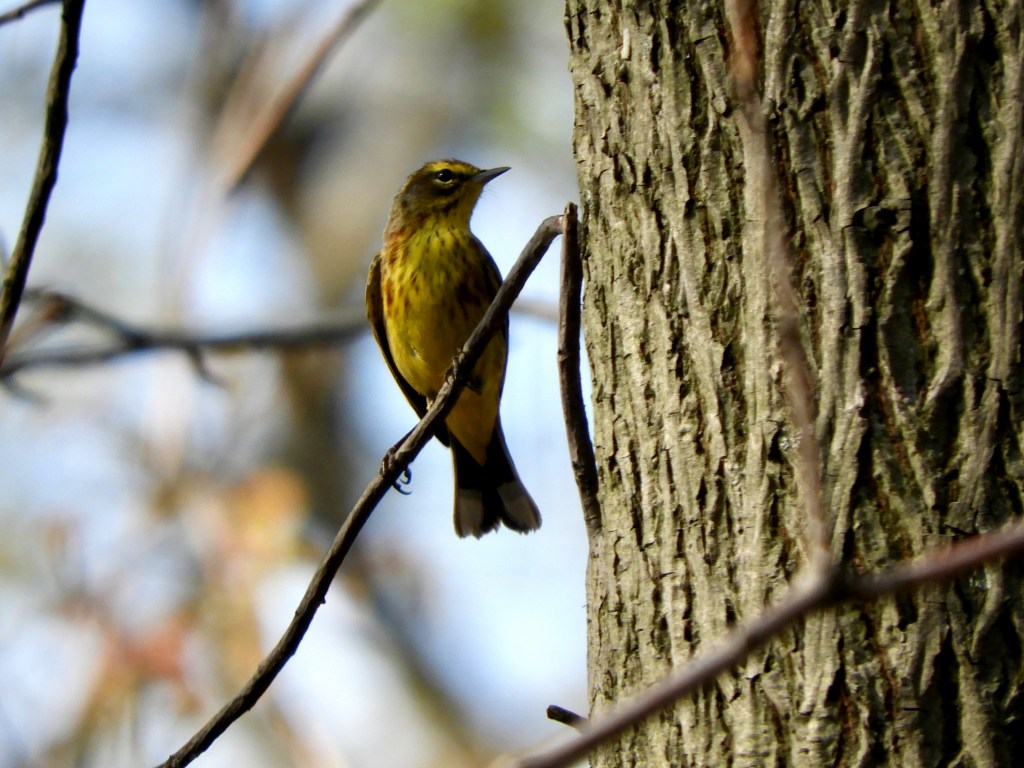
Near where I saw the swarm of Yellow-rumped Warblers, I came across a pair of American Robins building a nest. Watching closely, I saw a beautiful Palm Warbler moving in trees near the nest. The robins didn’t seem to mind the visitor. I observed the same interaction two mornings in a row, imagining that the Palm Warbler was staying with the robins in a bed-and-breakfast situation during its travels.
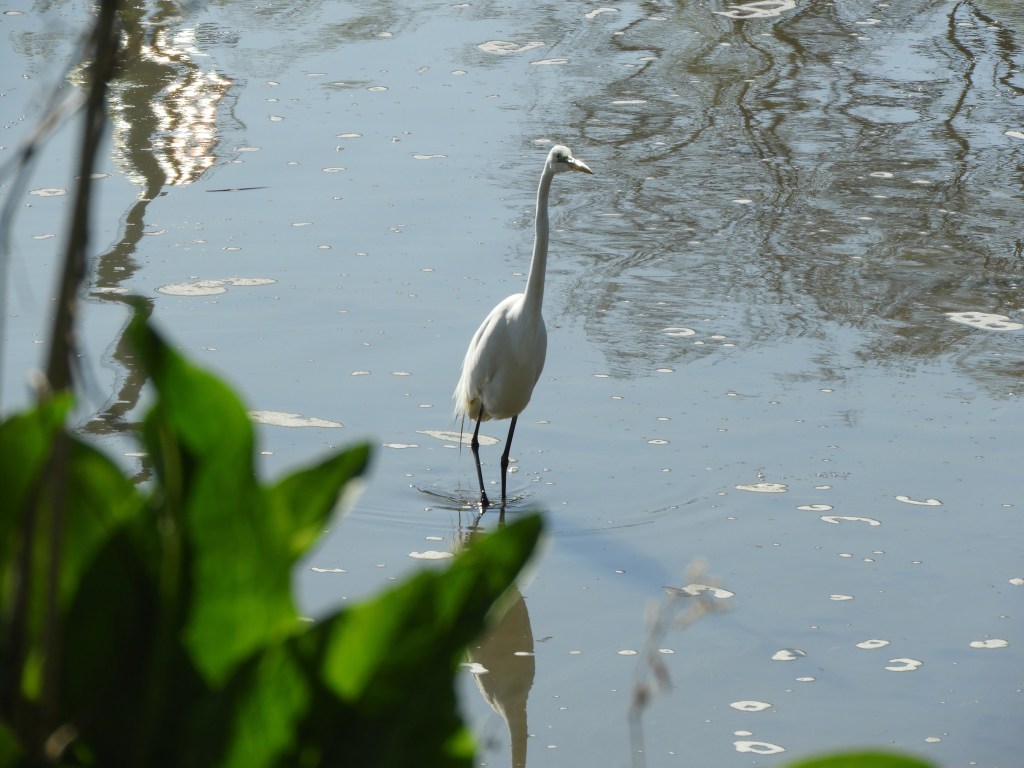
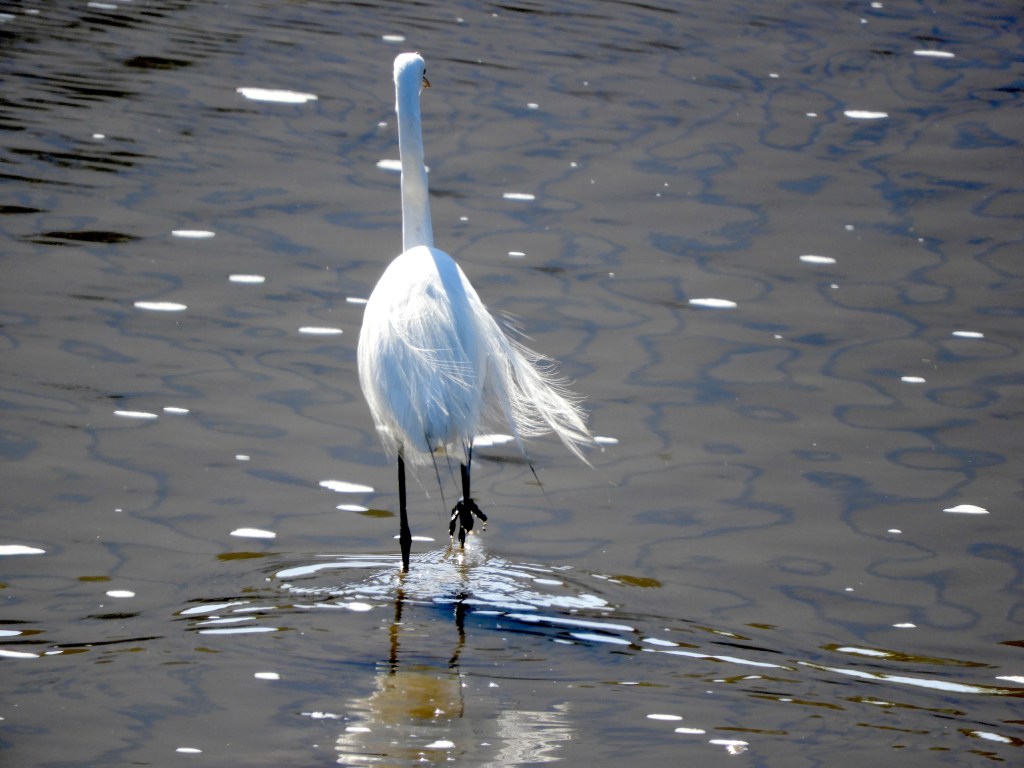
While local birdwatchers reported a pair of Great Egrets in Muscata Marsh on the eBird platform on April 13, I hadn’t seen one until the morning of April 21, 2026. A birder friend texted me, knowing I have long been anticipating its return to the park. I arrived shortly thereafter and observed its mystical beauty at low tide.
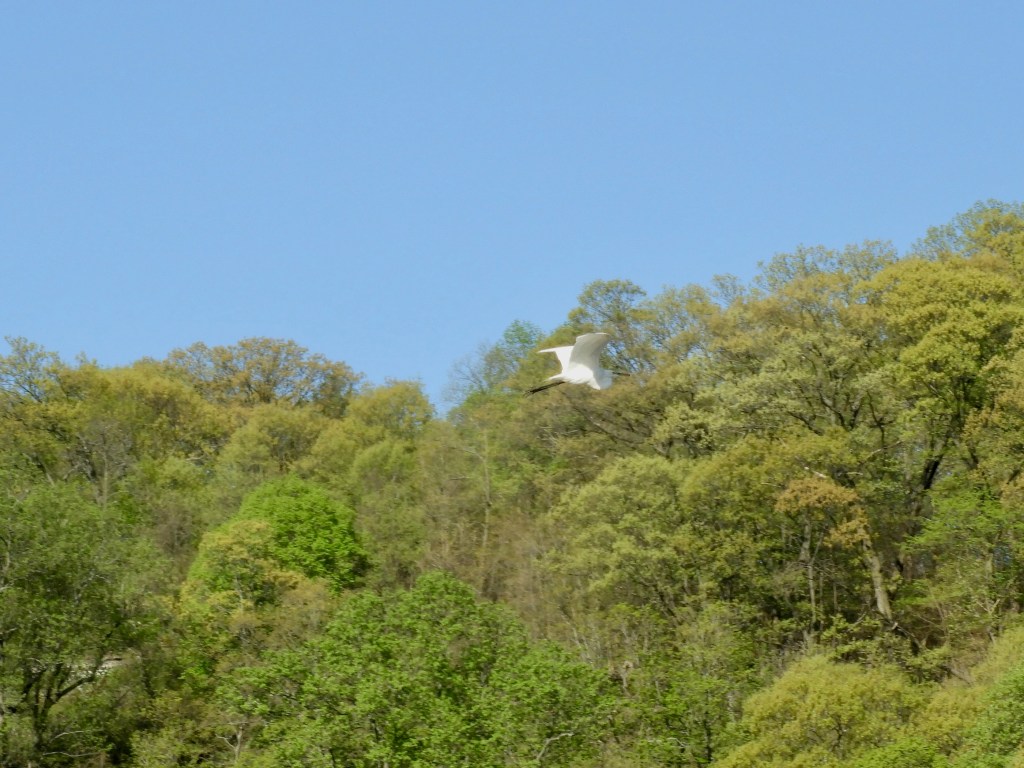
Great Egrets spend their winters at southern latitudes, flying north with the arrival of spring. We had a long winter here in New York, and I surmise that a Great Egret would wait until the threat of cold weather had passed. A Great Egret usually appears around here in the middle of March. Nevertheless, it was freezing cold again when I first laid eyes on this Great Egret yesterday morning. Maybe it also felt that summer interruption from last week, a hint of the return of teeming life at the Salt Marsh.
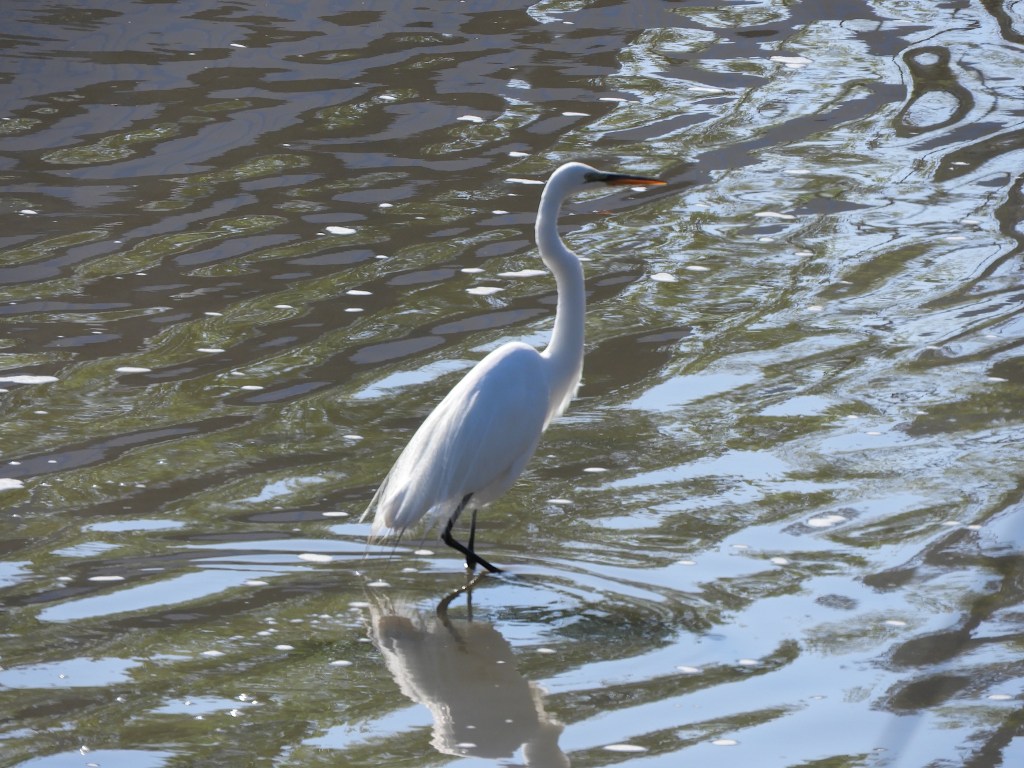
This Great Egret, in search of food, moved around the main inlet and flew into the adjacent Muscota Marsh. Eventually, it flew down the Harlem River and out of sight.
In the meantime, we wait for more spring migratory birds to make their way to the city. Like the Great Egret, their exact arrival times may vary from year to year. Only they know the best times.
It’s been a busy week on Earth and in the skies above. Happy Earth Day.
Cover image: Great Egret in Muscota Marsh. Inwood Hill Park. April 21, 2026. 9 a.m. See more pictures on the April 2026 Sightings page.
Recent posts
- Bountiful Fall Migration Bird Sightings in Inwood Hill Park – October 2026
- Herons in Trees: Watching and Waiting at High Tide
- A Green Heron Joins the Other Dinosaurs, and the Pursuit of the Big Picture
- Sporting Colors: The 2026 Baltimore Orioles Season in Inwood Hill Park
- Field Notes from the 2026 Cedar Waxwing Gathering in Isham Park
Subscribe
Support Birds of Inwood
Make a one-time donation
Choose an amount
Or enter a custom amount
Your contribution is appreciated.


Comments welcome!