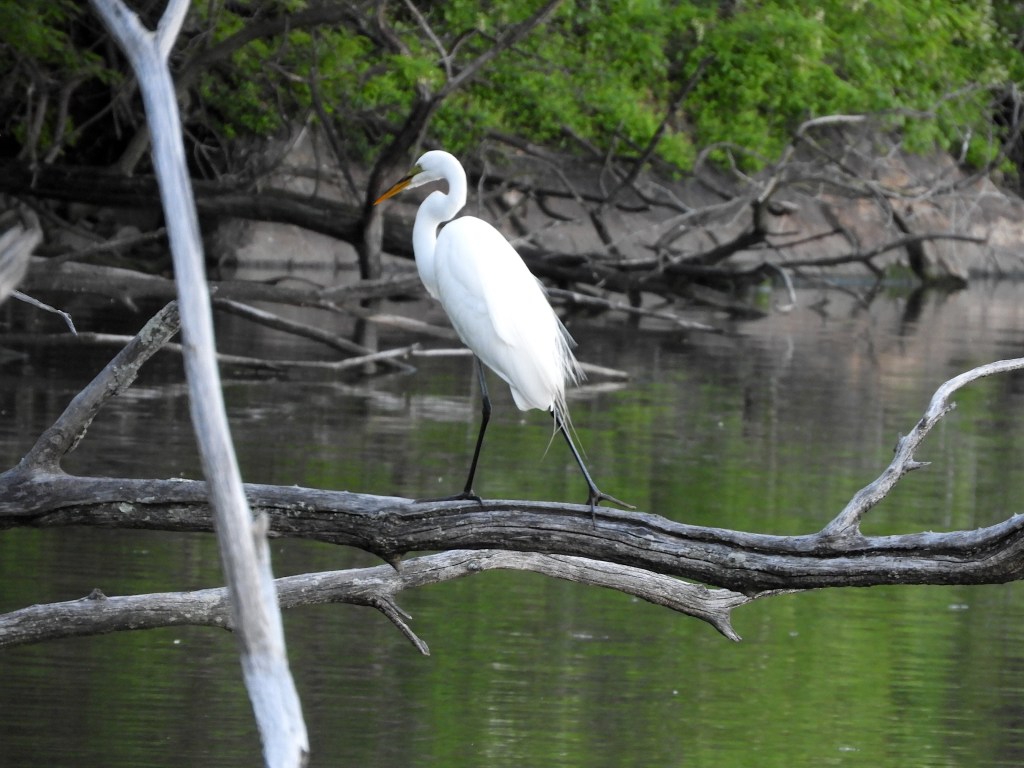
On an early evening walk on May 11, I came across a Great Egret foraging near high tide at the Salt Marsh in Inwood Hill Park. I usually take my walks in the early morning, and the egret usually forages near times of low tide, so this was new for both of us.
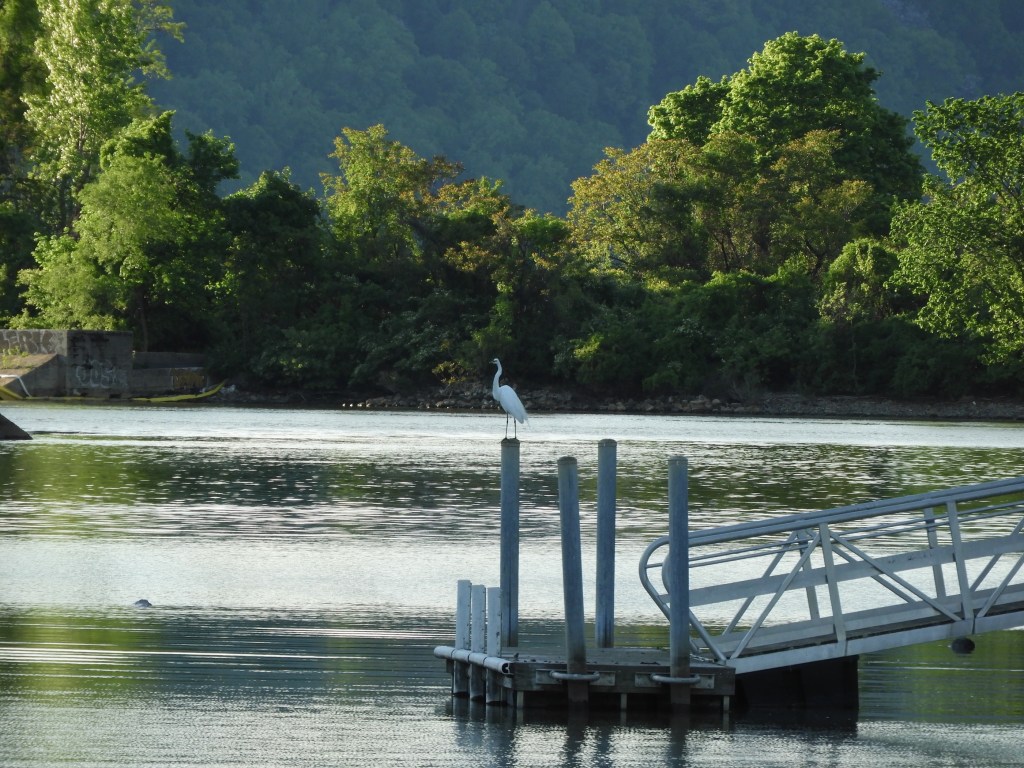
The Great Egret flew around the marsh, landed on low branches, and found a couple of low-lying areas of the marsh for safe landing. It tried to forage while skimming the water, yet it was never clumsy in these attempts. The Great Egret is one of the most graceful birds I have ever observed.
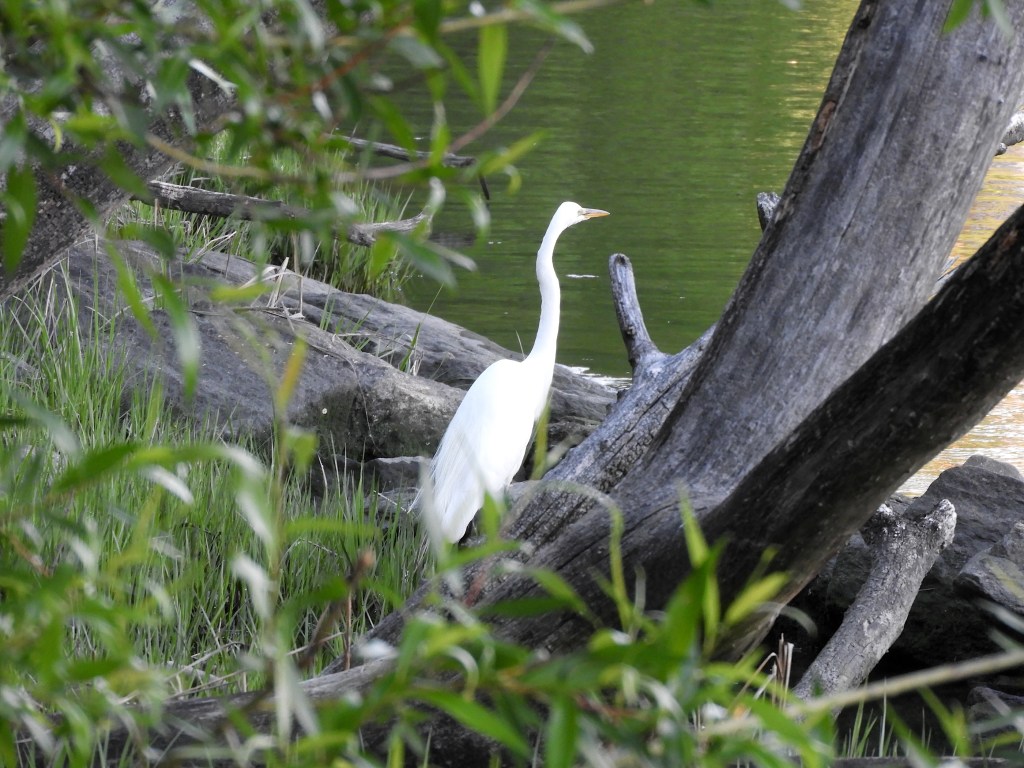
As the days grow longer, evening walks with egrets should more frequently occur.
Spring Migration Report
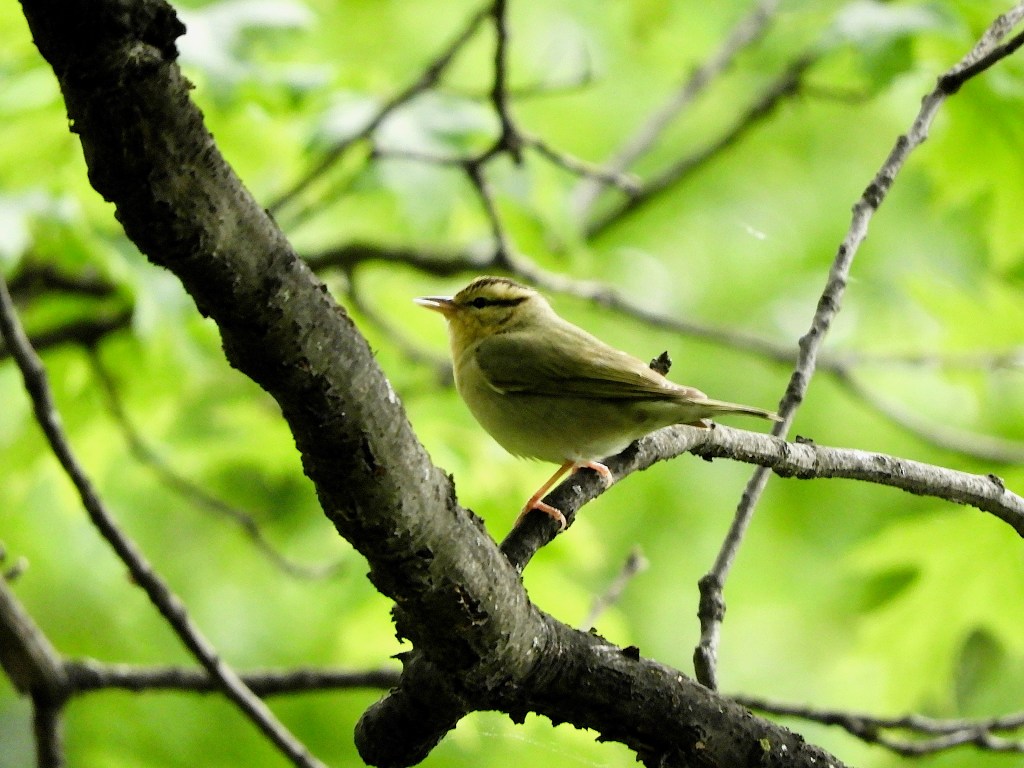
Worm-eating Warblers may often be found in the understory of a thick forest with steep slopes, and that’s where I found this one early this week in Inwood Hill Park.
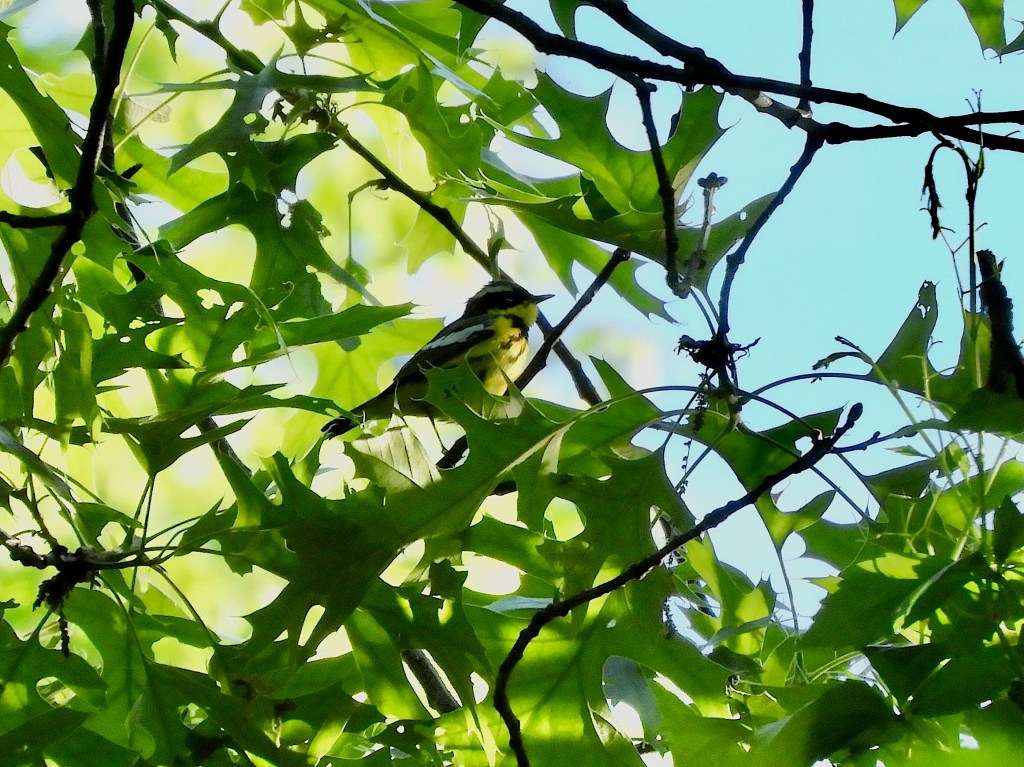
This past week, I have also spotted some of the well-known migratory species, including Magnolia Warblers, Black-throated Blue Warblers, American Redstarts, Swainson’s Thrushes, a Veery here and there, and Common Yellowthroats.
Mostly I see Gray Catbirds. When I’m not seeing the forest regulars such as American Robins, Northern Cardinals, and Blue Jays, I’m seeing catbirds.
Birds at “The Patio”
From time to time, I find some location in the park particularly good for seasonal birdwatching. Sometimes, it’s the parapet, a high vista on the western hill of the park that overlooks the Clove, and other times it’s a rocky outpost on the eastern high edge of the park. This past week, I’ve headed for a long-abandoned structure in Inwood Hill Park.
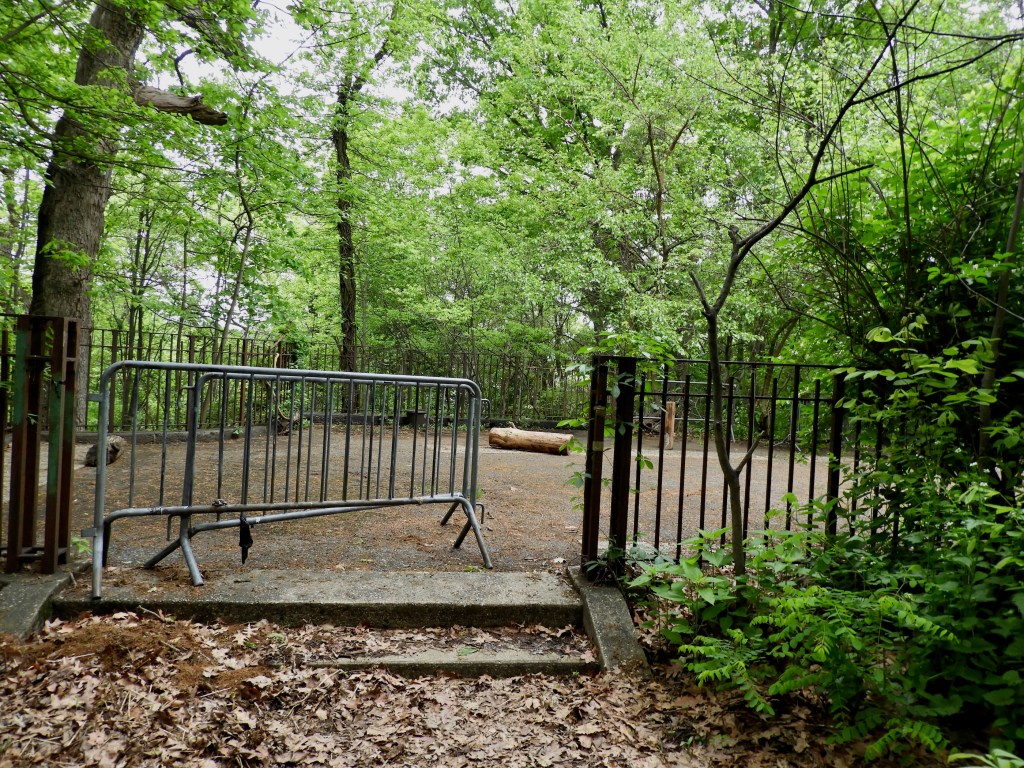
The park still bears the faint marks of a previous era. Stately homes and benevolent institutions once covered this landscape, but they are long gone. Only traces or small fragments remain. The patio, as some local birdwatchers call it, is a large, flat, raised terrace lined with an iron fence. The patio faces the Hudson River, though the mixed deciduous forest only allows a glimpse of the water beyond.
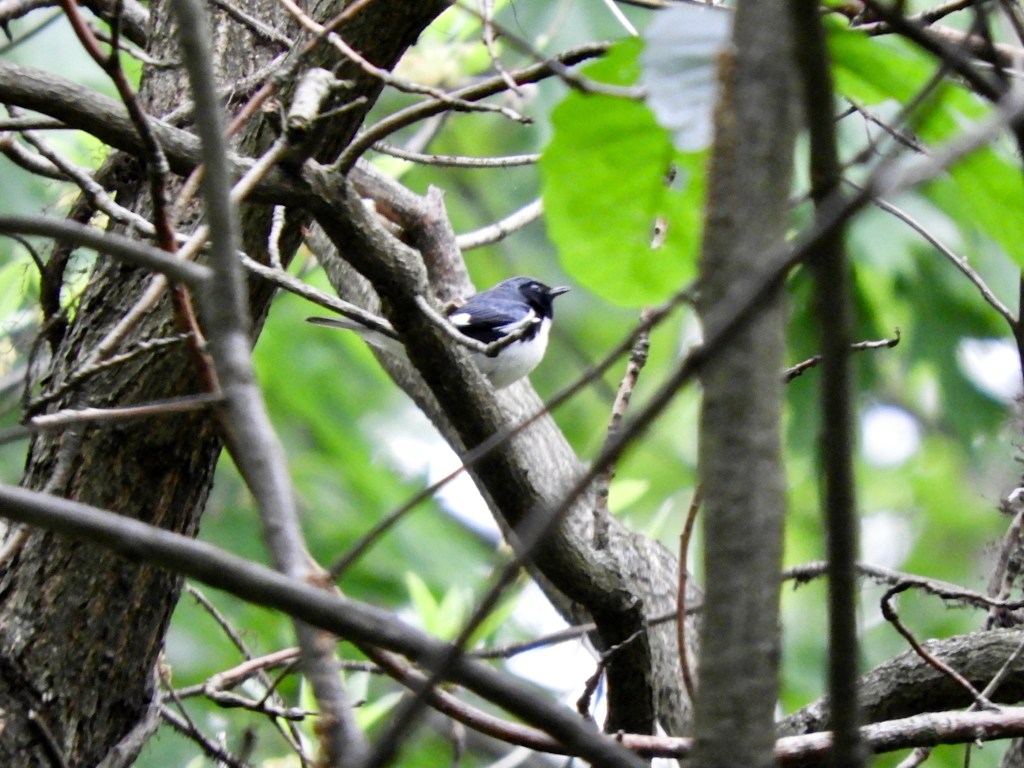
The patio provides a good vantage point to see spring migratory birds that follow the river to their next destination. The Hudson River is a critical natural guide for birds that cruise the Atlantic Flyway.
Baltimore Orioles
Another bird I am happy to see these days is the Baltimore Oriole. Fellow birders have been chatting about observing more of them this year. Several pairs are busy building nests throughout Inwood Hill Park, and their rich mezzo voices come across loud and clear from far away.
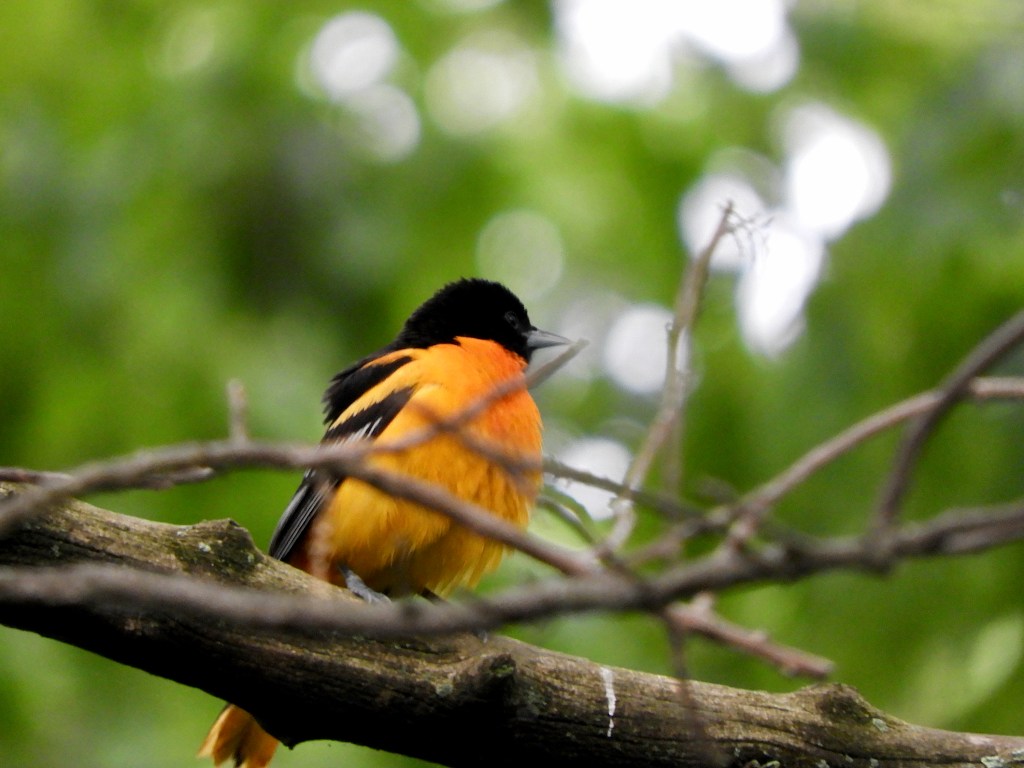
A few Baltimore Orioles spend mornings near “the patio,” foraging for insects in the canopy. Next time, I will bring them an orange for a leisurely breakfast.
Cover: Great Egret. Salt Marsh. Inwood Hill Park. May 11, 2026. 6:36 p.m.
More sightings on the May 2026 Sightings page.
Recent posts
- Herons in Trees: Watching and Waiting at High Tide
- A Green Heron Joins the Other Dinosaurs, and the Pursuit of the Big Picture
- Sporting Colors: The 2026 Baltimore Orioles Season in Inwood Hill Park
- Field Notes from the 2026 Cedar Waxwing Gathering in Isham Park
- Birds in the Garden of Eden: A Field Trip to Untermyer Park and Gardens in Yonkers, New York


Comments welcome!