During the recent cold and snowy nights, I was awakened by the sounds of snapping tree limbs falling in the forest down the street. Some of the trees are old and brittle there. I imagined the birds waking up, too, jolted from their feathery dreams to find a new limb in the cold night air.

Birds have many ways to keep warm in cold temperatures. The main way that birds survive cold or freezing temperatures is by trapping air pockets around their bodies. They fluff up their feathers to give them an airy insulation. Some birds will waterproof their feathers with oil from a gland near their tail. Herons grow special feathers to use for waterproofing.
Birds will also crowd into shrubs and vines, sharing body heat.

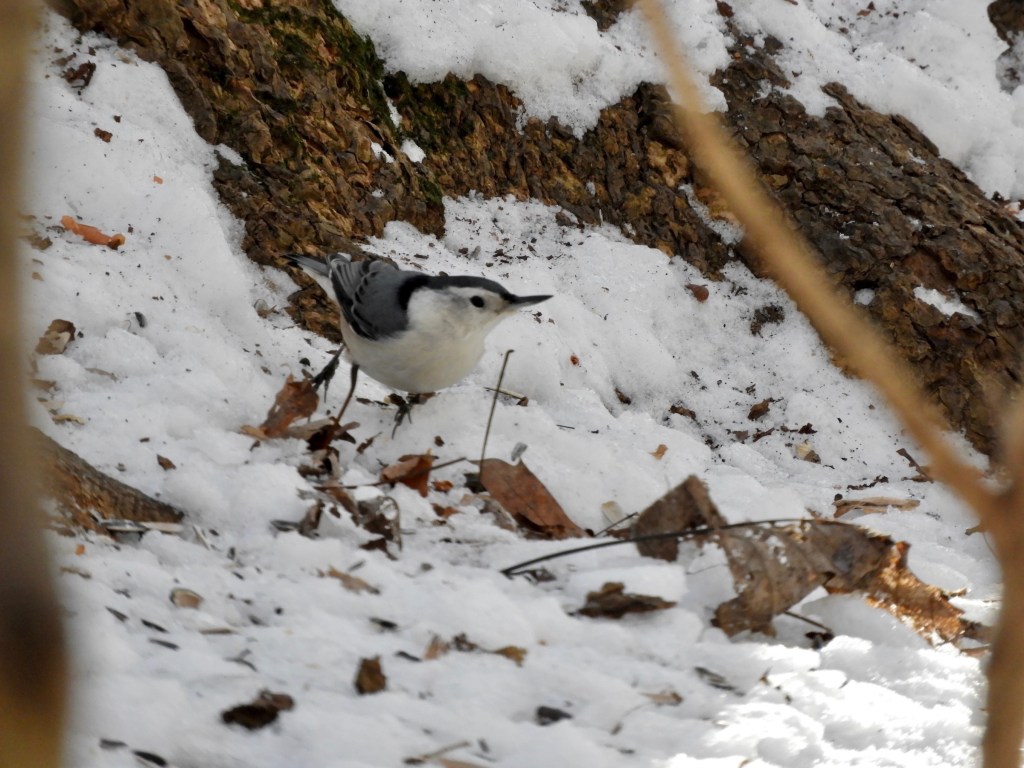
Food provides the necessary energy to keep birds warm, and they will seek out the usual sources. Many of the birds of Inwood depend on seeds and hidden insects. I’ve seen them gather at the base of trees to forage, and I often see them eating sunflower seeds or other seeds provided by human visitors to the park.

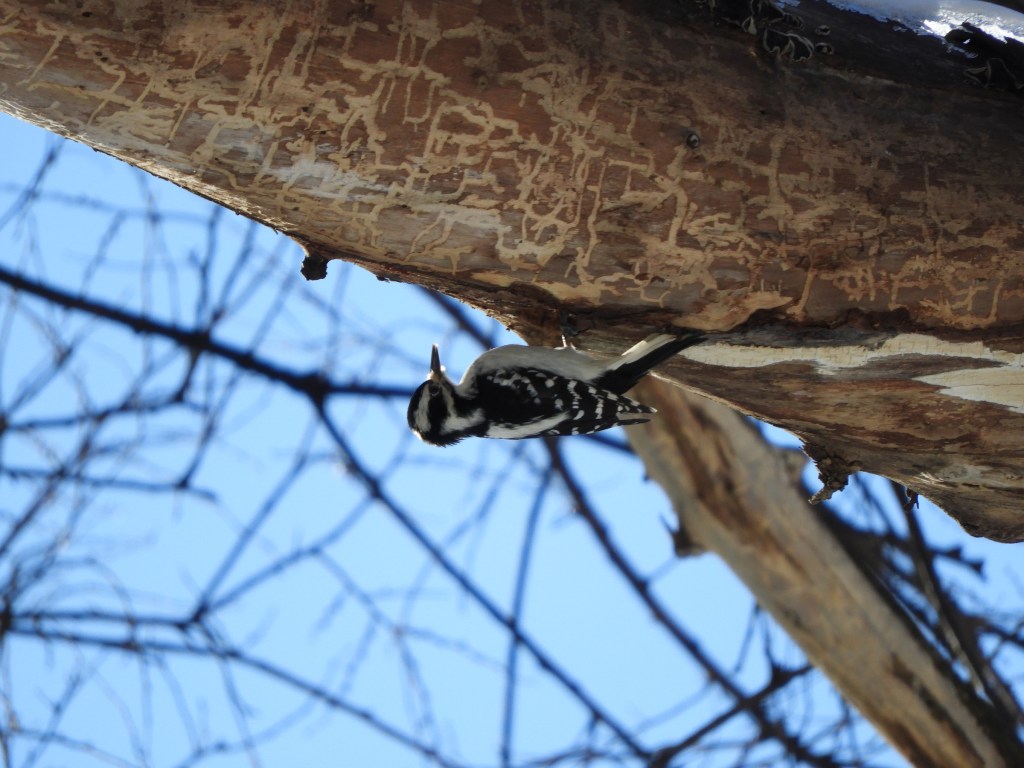
The woodpeckers are good at staying warm all winter, flying into existing tree cavities and by eating insect larvae. They will bore new holes on rotting trees and make new cavities for overnight camping.
Birds will also tuck in their feet and bill to keep warm. Some species will go through torpor, something like hibernation, when they will shut their bodies down for a time.

Many people will seek out similar techniques to stay warm, especially wearing a layer for insulation. A so-called puffer jacket usually does the trick, as it is often made with duck or goose down.
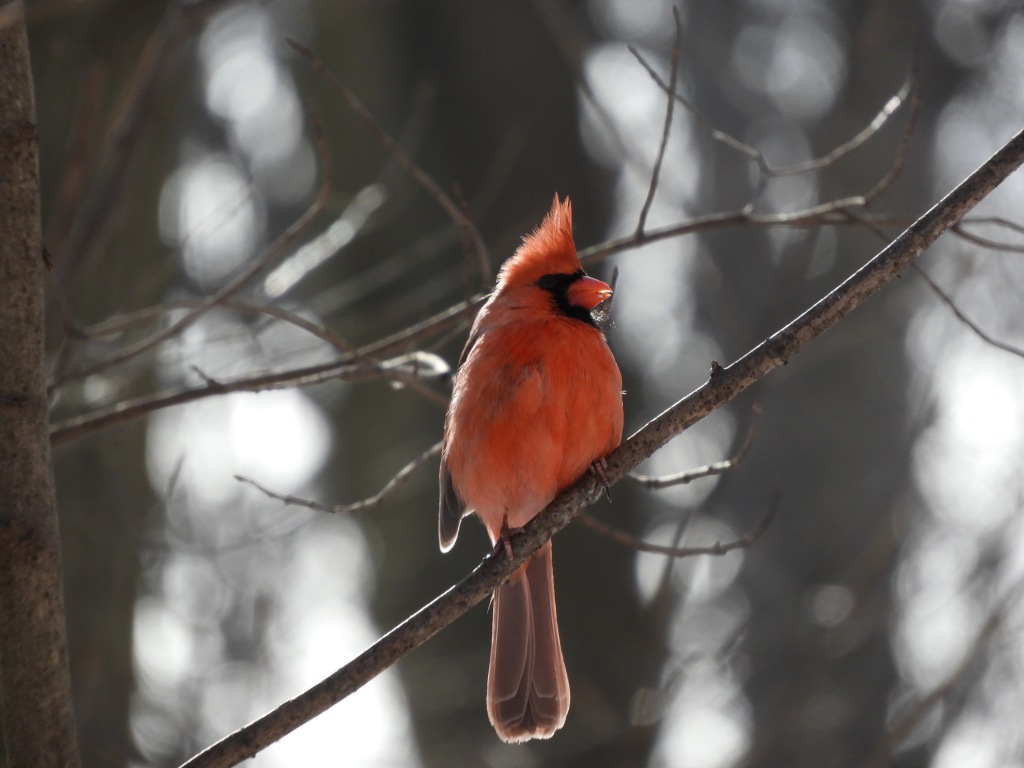
Cover: Male Northern Cardinal in the Clove, Inwood Hill Park. January 22, 2024. 11:27 a.m.
Recent posts
- Northern Mockingbird – The Bossiest Singer in the Park
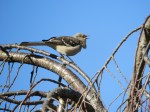 Northern Mockingbirds are famous for their expressive and varied songs, often mimicking other birds. All this month, whenever I have had occasion to walk in Inwood Hill Park or Sherman Creek Park, I’ve come across a loud mockingbird singing its heart out.
 - An Early Spring Preview of the Birds of Inwood
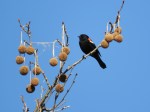 A burst of spring weather and unseasonably warm days brought a variety of birds to Inwood Hill Park in Northern Manhattan this week. The three days in early March— March 9 through March 11— felt like a gift, especially after a long winter of cold temperatures and abundant snow. Many New Yorkers talked about how… Read more: An Early Spring Preview of the Birds of Inwood
 - The Snowiest of Snows, and a Bald Eagle Appears
 On Monday, February 23, the snow fell across New York City in steady downfalls over many hours, embedded in a winter storm that arrived late afternoon on Sunday and continued well into the afternoon. By the end, Central Park experienced one of the largest snowstorms in the city’s history. * Up here in Northern Manhattan,… Read more: The Snowiest of Snows, and a Bald Eagle Appears
 - Blizzard Warning: A Great Blue Heron Hunkers Down, and Other Stories of the Birds of Inwood in a Cold and Snowy Month
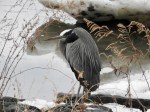 Northern Cardinals have resumed singing their song of spring this past week, so you would never know that NYC and parts of the Tri-State area are currently under a blizzard warning. As I write, the temperatures are mild, and the sky is blue. The blizzard warning is the first such weather alert issued for NYC… Read more: Blizzard Warning: A Great Blue Heron Hunkers Down, and Other Stories of the Birds of Inwood in a Cold and Snowy Month
 - A Red-shouldered Hawk for Valentine’s Day
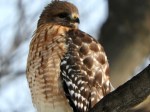 I fell in love this morning on my walk over to the Hudson River. I was walking very slowly on the sloped path leading up to the Henry Hudson Bridge. The path was a little icy, still covered with recent snow, and I was careful with every step. My intention was to see the Bald… Read more: A Red-shouldered Hawk for Valentine’s Day
 Birds of Inwood
Comments welcome!