On Wednesday, June 7, dense trails of smoke from wildfires in Canada descended on New York City, thickening the skies with one of the worst pollution events in the city’s history. The Air Quality Index (AQI) hovered in the hazardous zone by the afternoon. Apocalyptic images of the famous skyline of the city, suddenly covered in a dusty orange, circulated throughout the world. As I closed my windows, I wondered about the birds.

Most regular outdoor enthusiasts, including birders, remained home for the next day of so. Even those in tip-top shape heeded the public health warnings.
With such pollution, it was natural to be concerned for the welfare of the city’s birds and of the migratory birds passing through. I thought of the many species that had flown thousands of miles to reach their breeding territories in places like Ottawa and Quebec, the very spots where the fires originated. The bird migration tools indicated little or no activity those smoky days along the Atlantic Flyway except for coastal migration up in Maine. The birds had hunkered down.

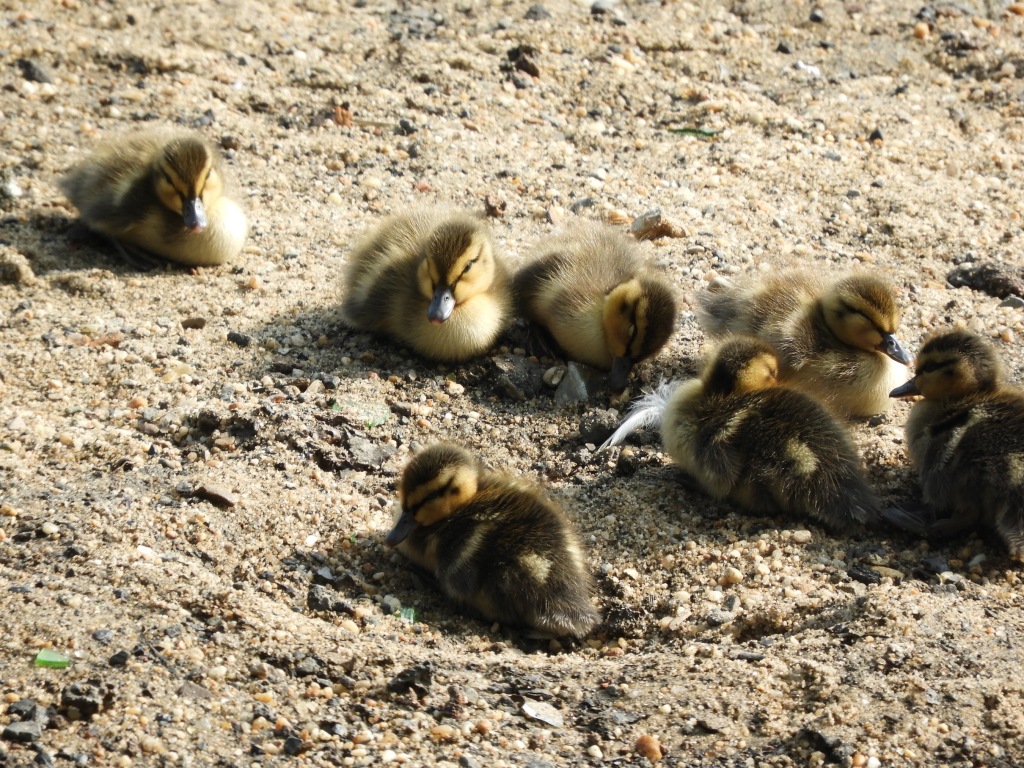
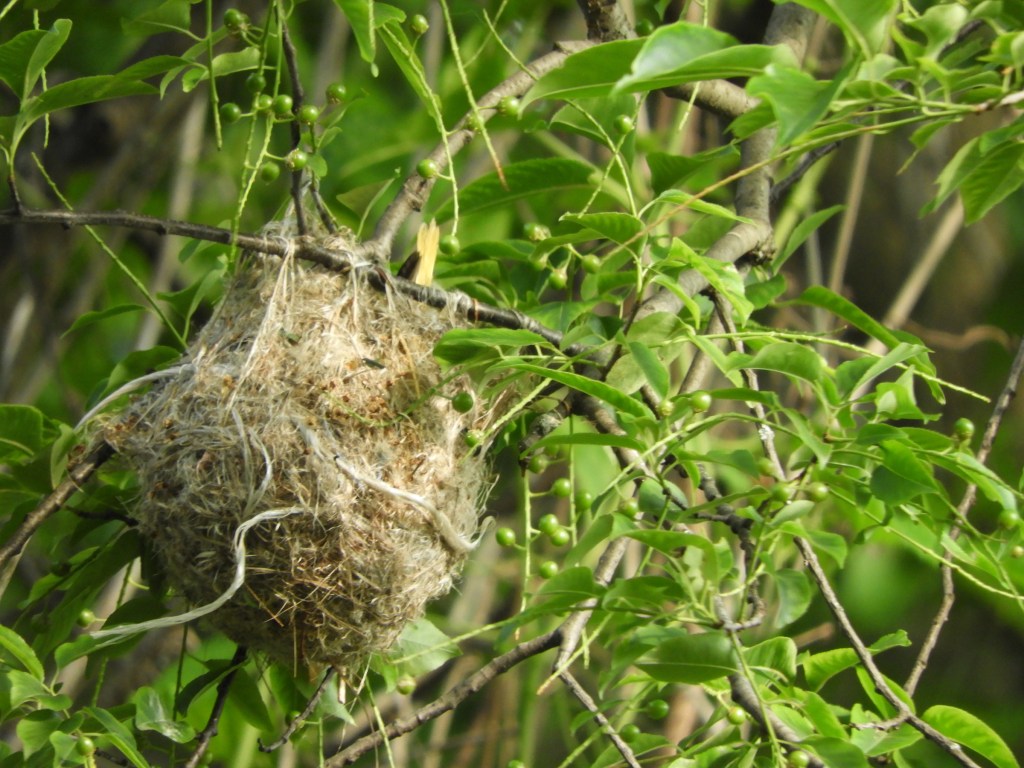
When it was safe to resume regular walks over the past weekend, I witnessed many new signs of life. Adorable ducklings and growing goslings explored the territory with their parents. I saw nest feedings nearby. Baltimore Orioles repeatedly returned to a conspicuous nest they built in a tree near the water.

Now that the smoke has cleared, there’s more clarity with the ongoing Osprey story. On June 10, I witnessed them mating. This event, which should not have come as a surprise, helped me identify the male and the female. The pair has been staking a claim to the light towers above Columbia University’s Wein Stadium, especially the southwest tower where the mating occurred. They are also getting into a fishing routine in both the Salt Marsh proper and the connected Muscota Marsh. The male continues to fetch sticks for the tower site.
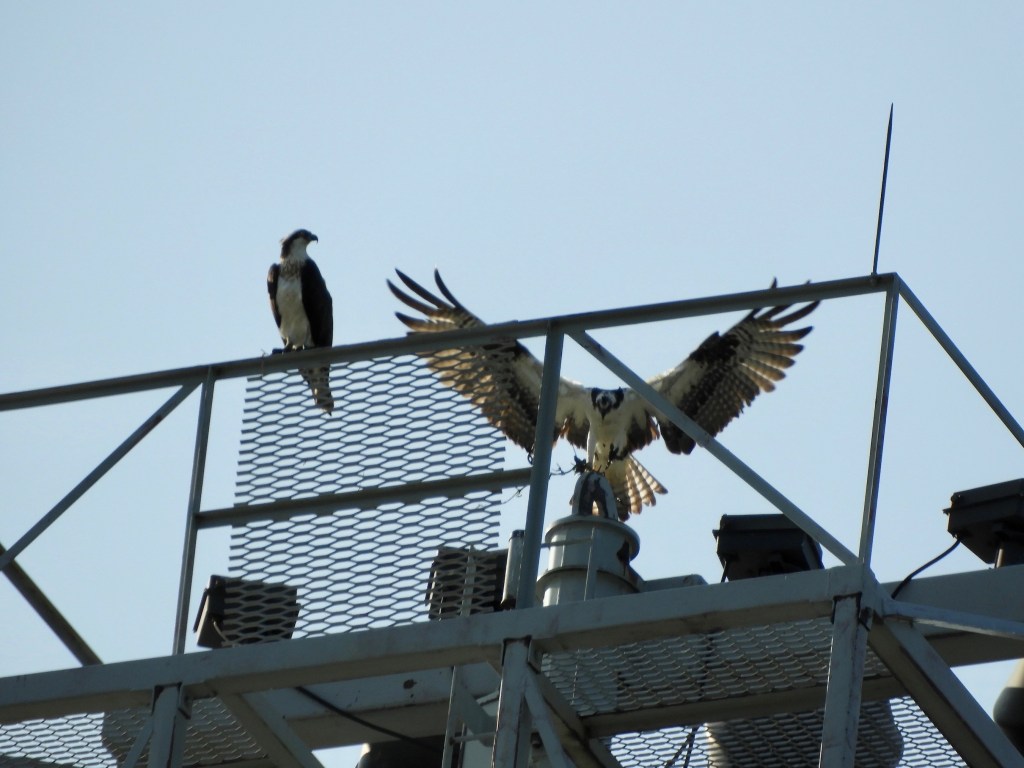
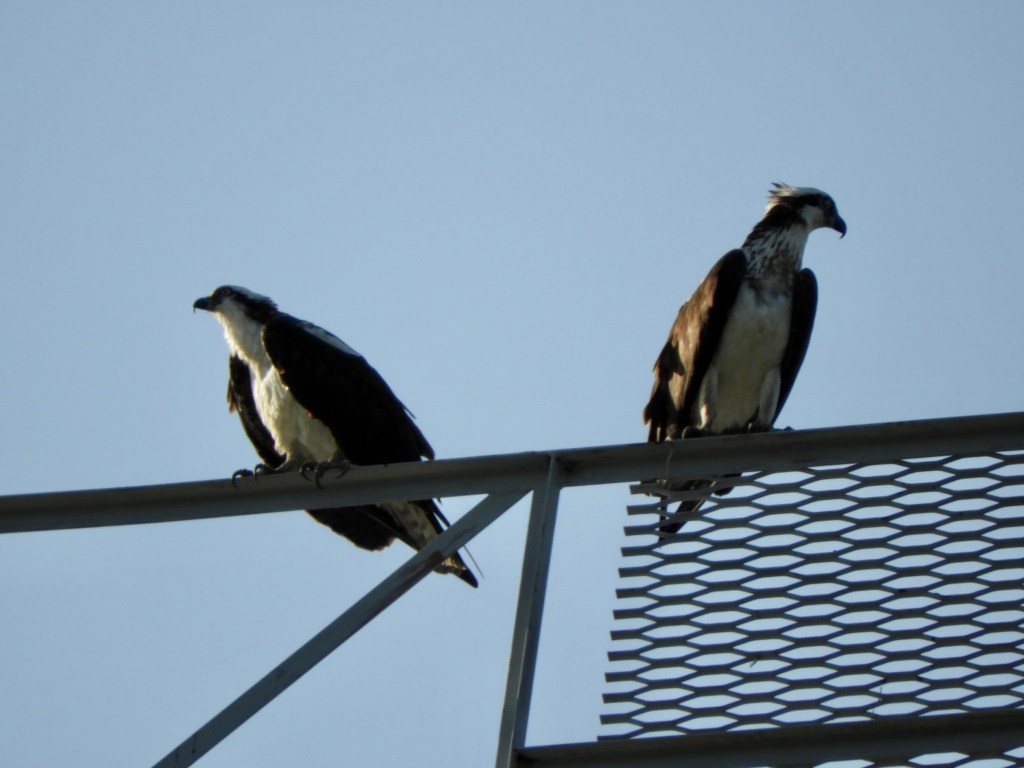
The male is on the left and the female on right.
The regular Great Egret continues to successfully find fish, and so does the Great Blue Heron. The marsh can get busy in the summer months with flocks of gulls, ducks, and geese landing in the varying tides of this tidal estuary. It’s like watching the landings at LaGuardia. Swallows and other birds fly over the water to catch insects. Shorebirds will sometimes arrive and wander the muddy flats at low tide.


The marsh is where the action takes place during Inwood summers, as these large birds occasionally contest their proper spots. Regular flights have resumed. And, yes, the kids are alright.

Cover image: Mallard ducklings on a sandy flat at the Salt Marsh. June 9, 2023.
Recent posts
- Northern Mockingbird – The Bossiest Singer in the Park
- An Early Spring Preview of the Birds of Inwood
- The Snowiest of Snows, and a Bald Eagle Appears
- Blizzard Warning: A Great Blue Heron Hunkers Down, and Other Stories of the Birds of Inwood in a Cold and Snowy Month
- A Red-shouldered Hawk for Valentine’s Day
 Birds of Inwood
Comments welcome!