Category: Muscota Marsh
-
Black-crowned Night Herons of All Ages Arrive at the Salt Marsh

Both juvenile and immature Black-crowned Night Herons are doing just fine at the Salt Marsh at Inwood Hill Park. The sightings underscore a concern as the NYC Bird Alliance warns of their potential extinction by 2035 due to habitat loss and declining numbers in New York Harbor. Restore marshes.
-
A Hot Heron Summer at the Salt Marsh
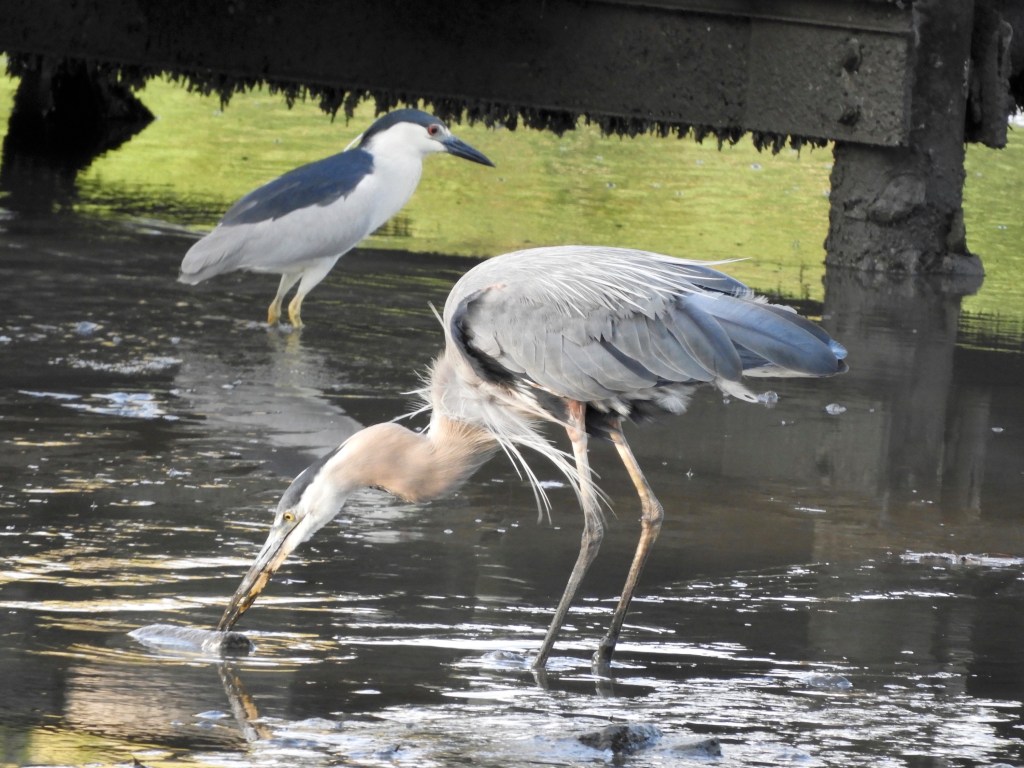
The summer of 2024 has been hot in New York City, with successive heat waves and uncomfortable levels of humidity. Still, the early hours of the summer mornings have been mostly tolerable for rewarding outdoor excursions in Inwood Hill Park. Low tide at the Salt Marsh is the best time to watch herons fishing, but…
-
The Double-crested Cormorants of Spuyten Duyvil
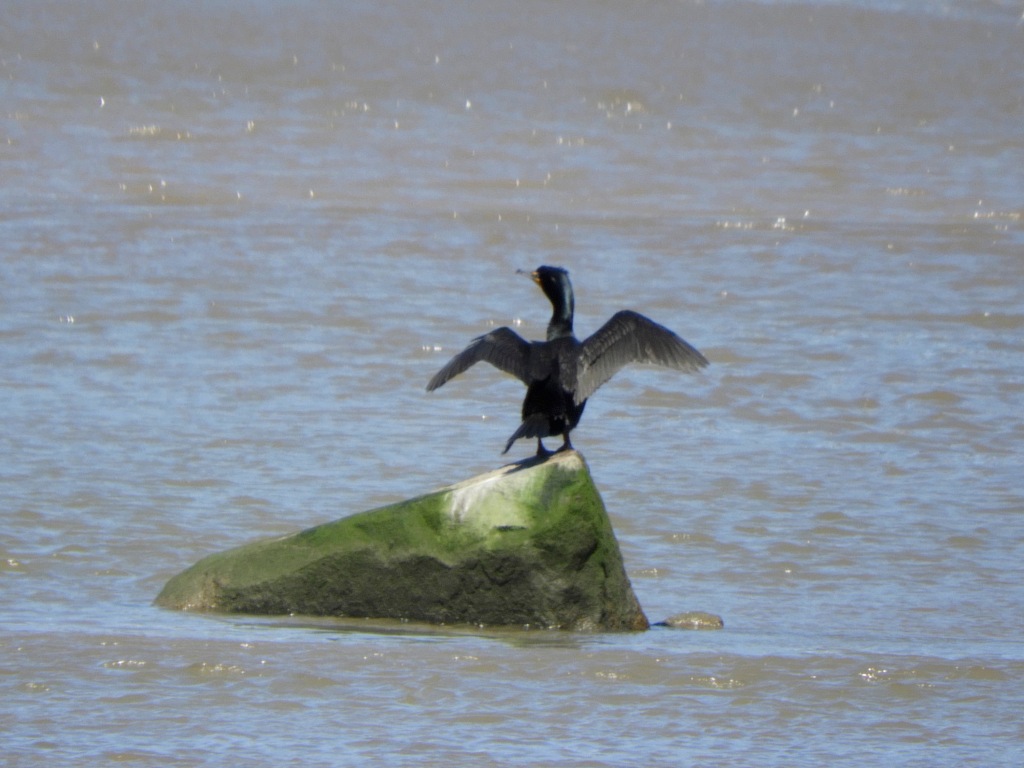
Double-crested Cormorants frequent the waters of Spuyten Duyvil Creek, a turbulent tidal estuary that runs between the Hudson and Harlem Rivers at the top of Manhattan Island. These inky-colored waterbirds possess a strong hooked bill that gives them efficient powers over small fish. While Double-crested Cormorants are large and strong, their impressive feathers lack…
-
The Greatest Blue Heron Show on Earth
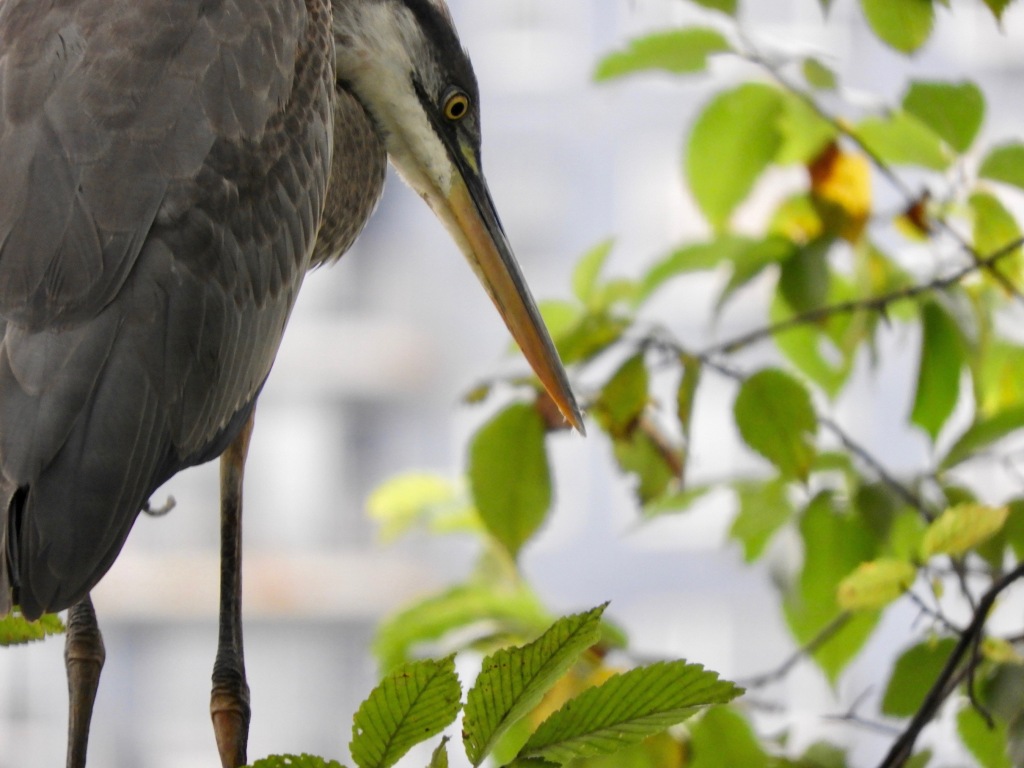
Great Blue Herons should be on the list of top New York City attractions. Northern Manhattan is somewhat remote, so few tourists find their way up this far north. Most visitors willing to take the A train to the last northern stops may make their way to the Cloisters, the Metropolitan Museum of Art’s branch…
-
Becoming a Black-crowned Night Heron
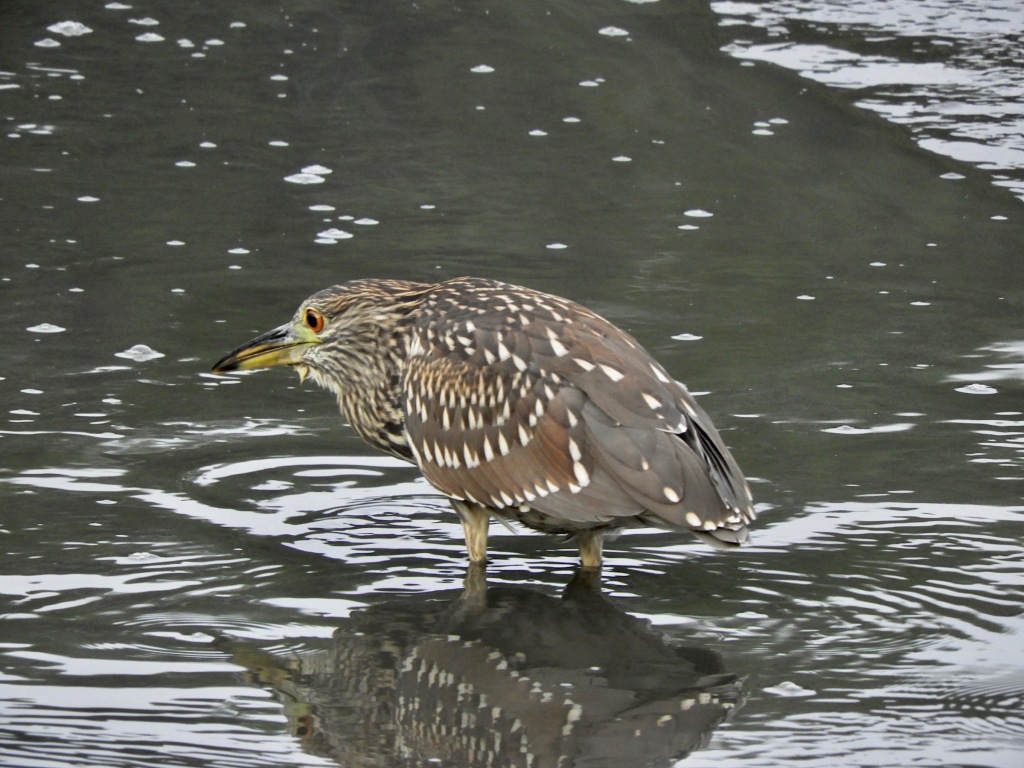
Black-crowned Night Herons have settled into the life of the Salt Marsh in Inwood Hill Park this summer, and I have been surprised by seeing so many of them. Both adults and juveniles have found the marsh to their liking, offering many overhanging branches at water’s edge for shade and nesting with plentiful food in…
-
Visiting Great Egrets, a Spotted Sandpiper, and Other News from the Salt Marsh
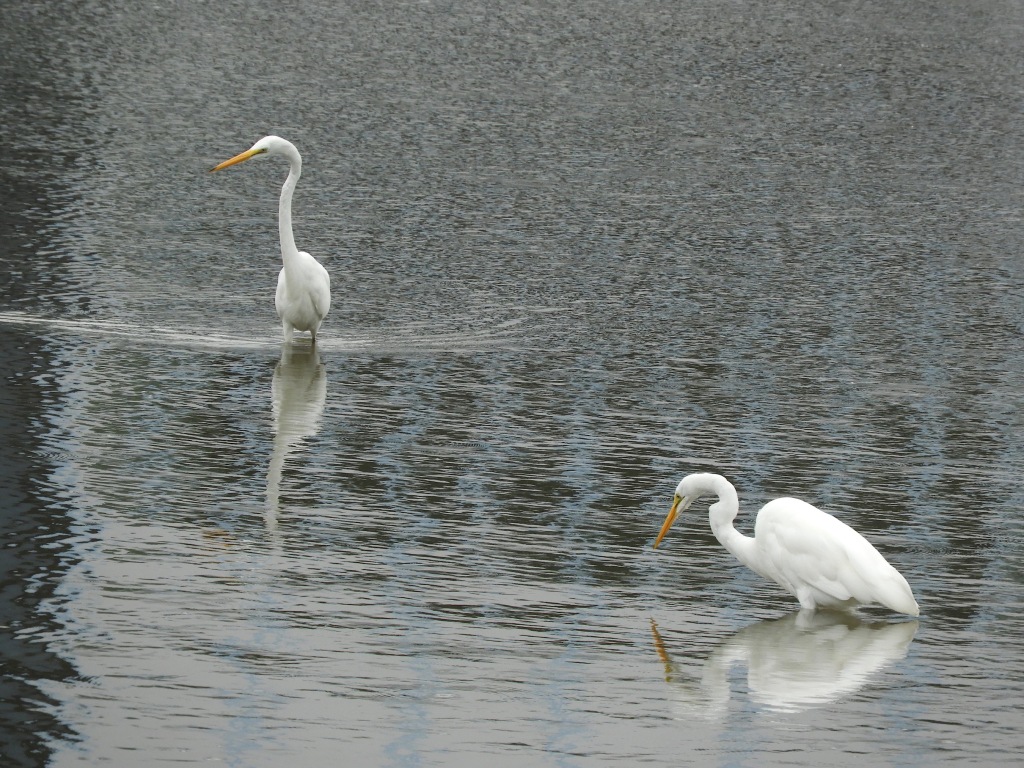
The salt marshes of Inwood Hill Park continued to be lively this week with a pair of visiting Great Egrets, the arrival of shorebirds, and migrants visiting the surrounding trees. On the morning of August 8, while the continuing Great Egret and the Great Blue Heron fished or preened in the main marsh, two Great…
 Birds of Inwood